WDO Inspections in Miami: What They Are and Why Home Buyers Need One
If you are buying a home in Miami and your lender or real estate agent has mentioned a WDO inspection, you are probably wondering what it actually is, whether you genuinely need one, and who is responsible for paying for it.
These are exactly the right questions to ask before you get to the closing table. A WDO inspection is one of the most consequential steps in any Miami real estate transaction, and homebuyers who skip it or misunderstand what it covers often find themselves inheriting expensive structural problems that could have been identified and addressed before the sale was finalized.
This guide explains what is a WDO inspection, what the WDO inspection meaning covers in practical terms, what the inspection process looks like in Miami, and everything you need to know about who pays for it and why it matters so much in South Florida specifically.
What Is a WDO Inspection?
A WDO inspection is a formal assessment of a property conducted by a licensed pest control professional to identify the presence, evidence, or conditions that could lead to damage caused by wood-destroying organisms.
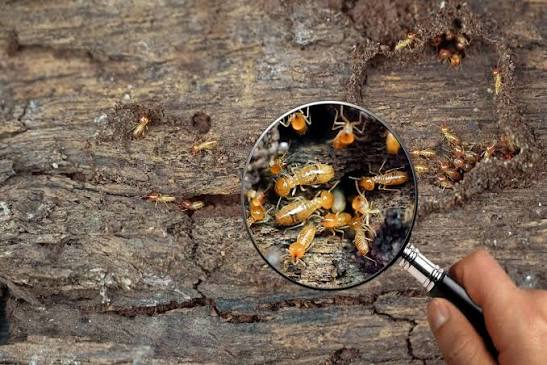
WDO stands for Wood-Destroying Organism. In Florida, the organisms covered under this definition include subterranean termites, drywood termites, Formosan termites, wood-boring beetles, and wood-decaying fungi. Each of these organisms is capable of compromising the structural integrity of a home by consuming or deteriorating the wood that holds it together.
The inspection is conducted by a state-licensed inspector and the findings are recorded on a standardized Florida Department of Agriculture and Consumer Services form known as the DACS-13645. This form is the official WDO report recognized by lenders, real estate attorneys, and title companies throughout Florida.
A WDO inspection is not the same as a general home inspection. A general home inspection covers the overall condition of the property including electrical, plumbing, roofing, and HVAC systems. A WDO inspection focuses exclusively on wood-destroying organisms and the structural damage or vulnerabilities they create.
WDO Inspection Meaning: What It Actually Covers
Understanding the WDO inspection meaning goes beyond just knowing the acronym. What the inspection covers in practice determines its real value to a homebuyer.
During a WDO inspection, a licensed inspector examines all accessible areas of the property where wood-destroying organisms are likely to be present or where conditions exist that make the property vulnerable to them. This includes:
Interior Areas
Inside the home, the inspector examines attic framing and roof beams, crawl spaces and subfloor structures, interior wood trim and baseboards, window and door frames throughout the home, garage walls and framing, and any exposed structural wood visible from accessible areas.
Exterior Areas
Outside the home, the inspector looks at the foundation perimeter at ground level, exterior wood siding and trim especially near soil contact points, fascia boards, soffits, and eave areas, decks, fences, and outbuildings connected to the main structure, and any areas where wood and soil meet directly.
The inspector documents three things on the official report: evidence of active infestation, evidence of previous infestation or treatment, and conditions that are conducive to future wood-destroying organism activity. Conducive conditions are particularly important because they flag vulnerabilities that could lead to infestation even if none is currently present.
What a WDO Inspection Does Not Cover
It is equally important to understand what falls outside the scope of a WDO inspection. The report does not assess general pest activity such as roaches, ants, or rodents. It does not cover areas that were physically inaccessible during the inspection due to stored items, sealed walls, or structural barriers. It does not evaluate mold or moisture issues that are not directly connected to wood-destroying fungi. And it does not include a cost estimate for repairs or treatment.
If a homebuyer wants a complete picture of the property’s pest health beyond wood-destroying organisms, a separate general pest inspection performed alongside the WDO inspection is the most thorough approach.
Why Miami Homebuyers Need a WDO Inspection More Than Most
Miami sits in one of the most termite-active regions in the entire country. The combination of year-round warmth, consistent humidity, and a subtropical climate means termite colonies in Miami remain biologically active every month of the year without any seasonal slowdown.
Subterranean termites thrive in Miami’s soil conditions and attack homes from below through foundation gaps and soil-to-wood contact points. Drywood termites enter through roof vents, window frames, and exterior cracks and establish colonies entirely within the wood of the structure. Formosan termites, one of the most destructive species in the world, are well established throughout South Florida and capable of causing severe structural damage faster than most homeowners realize is possible.
In many other parts of the country, a homebuyer might consider a WDO inspection a formality. In Miami, it is one of the most financially protective steps in the entire buying process. Termite damage is not covered by standard homeowner’s insurance policies in Florida, which means any damage discovered after closing becomes entirely the new owner’s financial responsibility.
A WDO inspection before closing gives the buyer the information they need to negotiate repairs, request treatment, or make an informed decision about whether to proceed with the purchase.
What Is WDO Inspection Timing in the Buying Process?
Homebuyers in Miami should schedule their WDO inspection during the inspection period of their purchase contract, which typically runs between 10 and 15 days after the contract is executed. This window gives the buyer time to receive the WDO report, review the findings with their agent or attorney, and negotiate any necessary treatment or repairs with the seller before the inspection period expires.
In Florida, a WDO inspection report is valid for 30 days for real estate transaction purposes. If closing is delayed beyond 30 days from the inspection date, a new inspection may be required by the lender or title company before closing can proceed.
The inspector must hold a Florida pest control license specifically authorizing WDO inspections. Not every pest control technician is qualified to perform or sign off on an official WDO report. Verifying the inspector’s credentials before scheduling is an important step buyers should not overlook.
Who Pays for WDO Inspection in Miami?
Who pays for WDO inspection in a Miami real estate transaction is one of the most commonly asked questions among first-time homebuyers, and the answer is more flexible than most people expect.
In Florida, there is no law that assigns WDO inspection costs to a specific party. Payment is a matter of negotiation between the buyer and seller and is typically addressed in the purchase contract.
In most Miami transactions, the buyer pays for the WDO inspection as part of their overall due diligence costs, similar to how they pay for the general home inspection. This is the most common arrangement and reflects the fact that the inspection primarily benefits the buyer by giving them information about the property’s condition before committing to the purchase.
However, sellers in Miami sometimes choose to pay for a WDO inspection proactively before listing the home. A clean WDO report is a strong marketing tool that removes a major source of buyer uncertainty and can accelerate the closing process by eliminating the back-and-forth that often follows an inspection that reveals termite activity. Sellers who invest in pre-listing inspections and any necessary treatment often recover that cost through a smoother, faster transaction.
In some cases, the cost of the WDO inspection is split between buyer and seller, or the seller agrees to cover it as part of a negotiated concession. What matters most is that the inspection happens, that it is performed by a licensed professional, and that the findings are fully understood by both parties before closing.
What Happens if the WDO Report Finds Problems?
If a WDO inspection reveals active termite infestation, evidence of previous damage, or conducive conditions, the buyer has several options depending on what their purchase contract allows.
The buyer can request that the seller pay for professional treatment before closing. The buyer can negotiate a price reduction to offset the cost of treatment and any structural repairs. The buyer can request a treatment warranty or bond from a licensed pest control company as a condition of closing. In cases where the damage is severe or the seller is unwilling to negotiate, the buyer may choose to walk away from the transaction entirely if their contract includes an inspection contingency.
None of these options are available to a buyer who skips the WDO inspection and discovers termite damage after they have already taken ownership of the property.
Get Your Miami WDO Inspection From a Team That Knows What to Look For
A WDO inspection is only as valuable as the expertise behind it. In Miami’s pest environment, that expertise requires specific knowledge of local termite species, seasonal activity patterns, and the construction styles common throughout South Florida neighborhoods.
iPest Control Inc. provides certified WDO inspections for homebuyers, sellers, and current homeowners throughout Miami. Our licensed inspectors examine every accessible area of the property, document findings accurately on the official Florida form, and walk you through what the report means in plain language so you can make confident decisions before closing.
Whether you are days away from signing a contract or already in your inspection period, contact iPest Control Inc. today to schedule your WDO inspection and protect one of the largest financial decisions of your life.
Frequently Asked Questions
- Is a WDO inspection required to buy a home in Miami? It is not required by Florida law, but most mortgage lenders offering FHA and VA loans require a clear WDO report before approving financing. Even when a lender does not require it, any experienced real estate agent in Miami will strongly recommend one given the city’s level of termite activity.
- How long does a WDO inspection take? Most WDO inspections on a standard single-family home in Miami take between 45 minutes and 90 minutes depending on the size of the property, the age of the structure, and how accessible the key inspection areas are. Larger properties or homes with limited attic or crawl space access may take longer.
- Can a WDO inspection miss termite activity? A WDO inspection covers all accessible areas of the property, but termites living deep inside sealed walls, under flooring, or in areas blocked by stored items may not be detectable without invasive investigation. This is why the inspector also documents conducive conditions, which indicate vulnerability even when active infestation cannot be visually confirmed.
- What is the difference between a WDO inspection and a termite bond? A WDO inspection is a one-time assessment that documents the current condition of the property. A termite bond is an ongoing service agreement with a pest control company that typically includes annual inspections, preventive treatments, and coverage for future termite damage up to a specified amount. Many Miami homebuyers request that a termite bond be in place as a condition of closing, in addition to a clear WDO report.
- How much does a WDO inspection cost in Miami? WDO inspection costs in Miami typically range from $75 to $175 for a standard single-family home depending on the size of the property and the company performing the inspection. This cost is separate from any treatment costs that may result from findings in the report.