
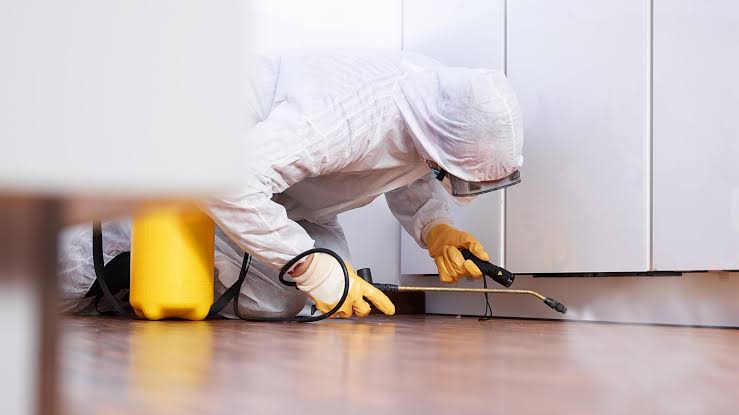
It is one of the most common questions Miami homeowners ask after their first pest control visit: how often do I actually need to do this?
The honest answer depends on where you live, what pests you are dealing with, and how your home is built. But in Miami specifically, the answer is almost always more often than most people expect. The city’s year-round heat, persistent humidity, and subtropical pest pressure create conditions that make pest control a maintenance habit rather than a one-time fix.
This guide breaks down exactly how often pest control should be done for Miami homes, what factors influence that schedule, what you need to know about roach treatments and quarterly plans, and how long professional treatments actually last.
Why Miami Requires a Different Pest Control Schedule Than Most Cities
Before answering how often, it helps to understand why Miami is different.
In cities with cold winters, pest populations naturally slow down during colder months. Insects die off, breeding cycles pause, and homeowners get a seasonal break from active pest pressure. Miami does not have that break. Temperatures rarely drop low enough to affect pest activity meaningfully, which means roaches, ants, mosquitoes, termites, and rodents remain active and reproductive every single month of the year.
That changes the math on pest control frequency significantly. A treatment that might protect a home through an entire winter in a northern city breaks down far faster in Miami because pests never stop pressuring treated zones. Reinfestation from the exterior happens more quickly, populations rebuild faster, and without consistent professional service, pest activity inside the home can return within weeks rather than months.
This is the core reason how often do you need pest control is answered differently in Miami than anywhere else in the country.
General Pest Control Frequency for Miami Homes
For general pest prevention covering ants, roaches, spiders, silverfish, and other common household insects, Miami pest control professionals typically recommend one of three schedules.
Monthly Service
Monthly service is the most comprehensive option and is best suited for homes with a history of active infestations, properties near water, dense vegetation, or older construction, and homes with structural vulnerabilities that invite faster reinfestation. Monthly treatment keeps pest populations consistently suppressed and allows technicians to identify new activity before it grows into a full infestation. It is the strongest year-round protection available for Miami homeowners.
Bi-Monthly Service
Bi-monthly service, meaning every two months, is one of the most common schedules for Miami households that want reliable protection without committing to monthly visits. It works well for newer homes, properties with fewer entry points, and homeowners who maintain strong indoor cleaning habits. Treatments are timed to stay ahead of breeding cycles and seasonal pest surges while keeping service costs manageable.
Quarterly Service
Quarterly service is treatment once every three months. It is the minimum recommended frequency for Miami homes and is best suited for low-risk properties with no active infestation history. For many homes in Miami’s climate, quarterly service alone is not enough to fully prevent pest activity between visits, particularly during the rainy season when pressure from mosquitoes, ants, and roaches increases significantly indoors.
Is Quarterly Pest Control Worth It in Miami?
This is one of the most searched questions among Miami homeowners evaluating their options, and the answer is nuanced.
Quarterly pest control is worth it as a starting point or as part of a bundle that includes termite monitoring or mosquito treatments. It is better than no professional service at all, and for some low-risk properties, it provides adequate protection year-round.
However, for most Miami homes, quarterly service alone leaves gaps. A treatment applied in January may begin losing effectiveness by late February or early March as temperatures climb and pest activity accelerates. By the time the next scheduled visit arrives in April, roaches, ants, or other pests may already be reestablishing inside the home.
The practical answer is this: if your home has had pest issues in the past, if you live near a canal, green space, or older neighborhood, or if you have seen any pest activity since your last treatment, bi-monthly or monthly service will deliver meaningfully better results than quarterly alone.
How Often Should Pest Control Be Done for Roaches Specifically?
Roaches deserve their own answer because they are among the most resilient and fastest-reproducing pests in Miami.
A single German cockroach can produce hundreds of offspring in a matter of months. American cockroaches, which thrive in Miami’s sewer systems and outdoor environments, can push indoors rapidly during heavy rain or dry spells. Once roaches establish a nesting site inside a home, eliminating them requires more than a single treatment.
How often should pest control be done for roaches in Miami depends on the severity of the problem. For an active infestation, initial treatment is typically followed by a return visit two to four weeks later to address any survivors and newly hatched eggs that were not affected by the first application. After the infestation is resolved, monthly or bi-monthly maintenance treatments are strongly recommended to prevent recurrence.
Roach infestations that are treated once and then left without follow-up service almost always return. In Miami’s climate, ongoing treatment is not optional for roach-prone homes. It is the only reliable way to keep them out.
How Long Does Pest Control Last in Miami?
How long does pest control last is one of the most important questions to ask before choosing a service plan, and the answer depends on several factors.
Treatment type: Liquid barrier sprays applied around the exterior of a home typically last four to eight weeks in Miami’s climate before breaking down due to rain, heat, and UV exposure. Granular treatments and baits may last slightly longer depending on placement and conditions. Termite soil treatments are formulated to last significantly longer, often several years with proper application.
Weather conditions: Miami’s rainy season, which runs from May through October, accelerates the breakdown of exterior treatments. Heavy rainfall can wash away or dilute surface applications faster than expected, which is one reason why more frequent service visits are especially valuable during these months.
Pest pressure: In areas with high pest populations, treatments are consumed or overwhelmed more quickly. Homes near natural water sources, wooded areas, or dense neighborhoods face faster reinfestation timelines regardless of treatment quality.
Interior vs. exterior treatments: Interior treatments applied inside walls, under appliances, and in targeted areas tend to last longer because they are not exposed to the elements. Exterior applications face far more degradation from Miami’s weather.
In practical terms, most Miami homeowners should plan for professional retreatment every four to eight weeks to maintain effective protection. Waiting longer than eight weeks between exterior treatments during the rainy season significantly increases reinfestation risk.
How Soon Can You Clean After Pest Control?
This question comes up frequently after a professional treatment, and the timing matters more than most people realize.
How soon can you clean after pest control depends on what type of treatment was applied. For standard liquid spray treatments, most pest control professionals recommend waiting at least 24 to 48 hours before mopping floors, wiping down baseboards, or cleaning treated surfaces. Cleaning too soon removes the active product before it has had time to work and significantly reduces treatment effectiveness.
After the waiting period, light cleaning is fine. Avoid scrubbing treated areas aggressively or using strong cleaning chemicals directly on surfaces where product was applied. Sweeping and vacuuming are generally safe after 24 hours and will not affect the treatment if done carefully.
For bait treatments specifically, avoid cleaning near bait stations entirely. Roach and ant baits rely on pests finding and consuming the product. Strong-smelling cleaners near bait placements can repel insects and make the bait ineffective.
When in doubt, ask your technician directly at the end of the service visit. A good pest control company will always tell you exactly what to avoid and for how long based on the specific products used in your home.
The Right Schedule Protects Your Home and Your Budget
Pest control in Miami is not a one-time event. It is an ongoing investment in the comfort, safety, and structural integrity of your home. The right frequency depends on your property, your pest history, and the level of protection you want. But in Miami’s climate, consistent professional service is always more cost-effective than waiting for an infestation to develop and then reacting to it.
iPest Control Inc. works with Miami homeowners to build service schedules that match their homes, their budgets, and Miami’s seasonal pest patterns. Whether you need monthly protection, a targeted roach elimination plan, or a quarterly maintenance program, our licensed team delivers treatments that actually last and follow-up service that keeps your home protected between visits.
Contact iPest Control Inc. today to find the right pest control schedule for your Miami home and stop guessing how often is often enough.
Frequently Asked Questions
- How often should pest control be done in a Miami apartment? Apartments in Miami face unique challenges because pests can migrate from neighboring units through shared walls, plumbing, and ventilation. Monthly service is the most reliable option for apartment dwellers, particularly in older buildings or complexes with a history of roach or ant activity. Even if your unit is clean, shared spaces create persistent reinfestation risk.
- Is quarterly pest control enough to prevent roaches in Miami? For most Miami homes, quarterly service alone is not sufficient to keep roaches fully under control. Roaches reproduce rapidly and can reestablish inside a home between quarterly visits, especially during the rainy season. Bi-monthly or monthly service provides far more reliable roach prevention in Miami’s climate.
- Does rain in Miami affect how long pest control lasts? Yes, significantly. Heavy rainfall breaks down exterior spray treatments faster by washing active product off surfaces and diluting its concentration. During Miami’s rainy season from May through October, treatments may need to be refreshed more frequently to maintain effectiveness. A good pest control company will account for this in your service schedule.
- Can I do pest control myself between professional visits? Light maintenance between professional visits, such as sealing cracks, eliminating standing water, and keeping surfaces clean, is helpful and recommended. However, consumer-grade pest control products rarely match the strength or residual effectiveness of professional treatments. They can also interfere with professional baits or drive pests to new areas without eliminating them. Use them only as a supplement, not a replacement.
- How do I know if my current pest control schedule is working? The clearest sign your schedule is working is a consistent absence of pest activity between visits. If you are seeing roaches, ants, or other insects reappear regularly two to three weeks after treatment, your current frequency is likely not enough for your home’s pest pressure level. Talk to your technician about adjusting the schedule or treatment approach.