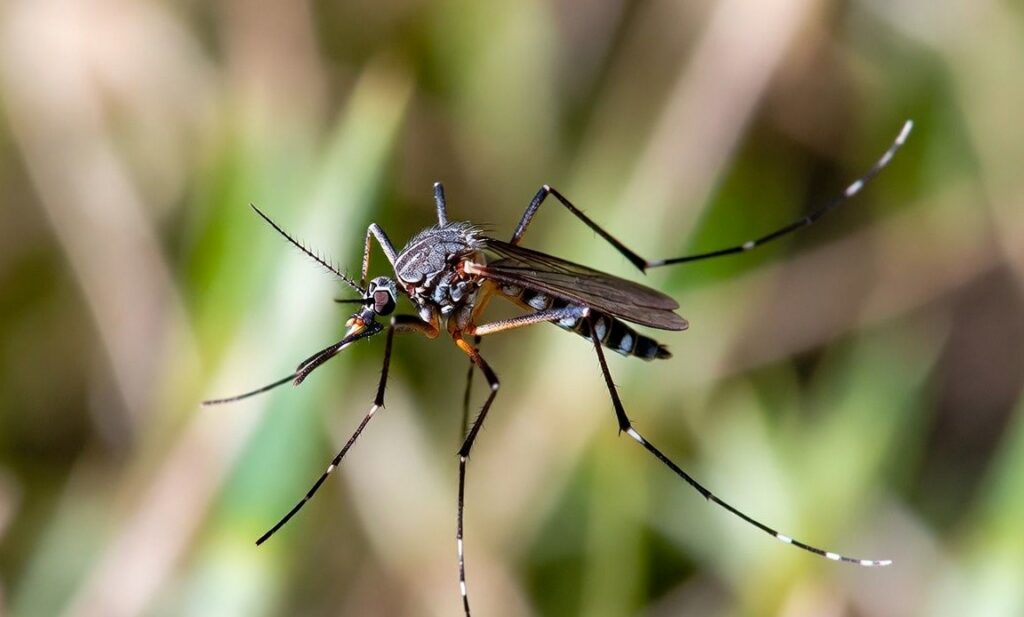
Mosquitoes in Florida are more than a nuisance. They are one of the most medically significant pest threats in the state, and in Miami specifically, the combination of year-round warmth, standing water from frequent rainfall, and proximity to international travel corridors creates conditions that keep mosquito-borne disease risk elevated in every season.
Most Miami homeowners think about mosquitoes in terms of itchy bites and outdoor discomfort. Far fewer think about them in terms of the diseases carried by mosquitoes in Florida and what those diseases can actually do to a person who is bitten by an infected mosquito. That gap in awareness is worth closing, because understanding what is actually at stake changes how seriously most people approach mosquito control around their homes.
This guide covers the most important Florida mosquito diseases, the symptoms of mosquito-borne diseases homeowners should recognize, and what practical steps protect your family most effectively in Miami’s mosquito environment.
Why Miami’s Mosquito Problem Is Different From Most of Florida
Miami sits at the convergence of several factors that make its mosquito-borne disease risk higher than most other parts of the state. The city’s subtropical climate means mosquito populations remain biologically active every month of the year without any meaningful seasonal die-off. Rainfall from May through October creates widespread standing water in yards, drainage systems, and poorly maintained properties that serves as continuous breeding habitat. And Miami’s status as one of the busiest international travel hubs in the Western Hemisphere means that mosquito-borne diseases circulating in other parts of the world arrive in the city regularly through infected travelers who are then bitten by local mosquitoes capable of transmitting the pathogen to the next person they bite.
This transmission cycle, known as local transmission, is what transforms a disease that originated elsewhere into a public health concern inside Miami neighborhoods. It has happened with dengue fever, Zika virus, and chikungunya in recent years, all of which circulate actively in parts of Latin America and the Caribbean and have produced locally transmitted cases in South Florida.
Florida Mosquito-Borne Diseases: The Most Important Ones to Know
West Nile Virus
West Nile virus is the most widespread mosquito-borne disease in Florida and across the United States. It is transmitted primarily by Culex mosquitoes, which are among the most common mosquito species in Miami and are particularly active from dusk through the overnight hours.
The majority of people infected with West Nile virus, roughly 80 percent, experience no symptoms at all. Of those who do develop symptoms, most experience a mild fever, headache, body aches, and fatigue that resolves within a week. However, a small percentage of infected individuals, particularly older adults and people with weakened immune systems, develop severe neurological illness including encephalitis or meningitis, which can be life-threatening.
There is no vaccine or specific antiviral treatment for West Nile virus. Supportive medical care is the standard approach for severe cases. Prevention through mosquito control and bite avoidance is the only reliable protection.
Dengue Fever
Dengue fever is one of the most significant Florida mosquito diseases to emerge in recent years, with locally transmitted cases confirmed in Miami-Dade County. Unlike West Nile virus, dengue is transmitted by Aedes aegypti mosquitoes, which are daytime biters active primarily in the morning and late afternoon hours. This species is extremely well established throughout South Florida and is also the primary vector for Zika and chikungunya.
Dengue causes sudden high fever, severe headache, pain behind the eyes, muscle and joint pain, nausea, and a characteristic skin rash. The joint pain associated with dengue is often described as debilitating, which is why dengue has historically been called breakbone fever. Most cases resolve within one to two weeks, but a small percentage progress to severe dengue, which involves plasma leaking, bleeding, and organ impairment and can be fatal without prompt medical treatment.
There is no specific antiviral treatment for dengue. A vaccine exists but is approved only for individuals with confirmed prior dengue infection. Mosquito bite prevention and control remain the most important protective measures.
Zika Virus
Zika virus received significant public attention during the 2015 to 2016 outbreak that produced locally transmitted cases in the Wynwood neighborhood of Miami, marking the first local Zika transmission in the continental United States. The virus is transmitted by the same Aedes aegypti mosquitoes responsible for dengue and chikungunya.
Most adults who contract Zika experience only mild symptoms or none at all, including low-grade fever, rash, joint pain, and red eyes. The severe concern with Zika is its effect on fetal development. Zika infection during pregnancy is strongly linked to microcephaly and other serious neurological birth defects in newborns, making it a particularly significant risk for pregnant women and those planning to become pregnant in affected areas.
Sexual transmission of Zika is also possible, which distinguishes it from most other mosquito-borne diseases and expands the risk beyond direct mosquito contact.
Chikungunya
Chikungunya is transmitted by the same Aedes mosquitoes responsible for dengue and Zika and has produced locally transmitted cases in Florida. Its name comes from a word meaning to walk bent over, which describes the severe joint pain that is the disease’s most prominent symptom.
Symptoms of chikungunya include sudden high fever, intense joint pain and swelling, muscle pain, headache, nausea, and rash. Unlike dengue, chikungunya is rarely fatal, but the joint pain it causes can be severe and debilitating, and in some patients joint symptoms persist for months or years after the initial infection resolves. There is no vaccine or specific treatment available.
Eastern Equine Encephalitis
Eastern equine encephalitis, commonly called EEE or triple E, is one of the most severe mosquito-borne diseases in Florida and North America. It is transmitted primarily by Culiseta melanura mosquitoes in swamp environments and secondarily by other mosquito species that bridge transmission to humans and horses.
EEE is rare but extremely dangerous. Approximately a third of people who develop the neurological form of the disease die from it, and many survivors experience permanent neurological damage. Florida reports EEE cases in humans and horses each year, predominantly in rural areas near freshwater swamps, but the disease is a recognized Florida mosquito-borne disease risk for residents in or near affected habitats.
St. Louis Encephalitis
St. Louis encephalitis is another Culex-transmitted disease present in Florida. Like West Nile virus, most infections produce no symptoms or mild flu-like illness. Severe cases cause inflammation of the brain and are most dangerous for older adults. Florida has a history of St. Louis encephalitis outbreaks, and the disease remains an ongoing surveillance concern for Florida health authorities.
Symptoms of Mosquito-Borne Diseases: What to Watch For
Symptoms of mosquito-borne diseases vary by pathogen but share several common features that should prompt medical evaluation, particularly in Florida where multiple diseases are in active circulation.
Seek medical attention if you develop any of the following within two weeks of mosquito exposure: sudden high fever, severe headache, significant muscle or joint pain, rash that appears alongside fever, pain behind the eyes, confusion or disorientation, stiff neck, or sensitivity to light. These symptoms individually can have many causes, but their combination following mosquito exposure in Florida warrants prompt evaluation so that specific mosquito-borne diseases can be ruled out or identified and treated appropriately.
Pregnant women who experience any symptoms of mosquito-borne illness after potential exposure in South Florida should contact their healthcare provider immediately given the risk Zika poses to fetal development.
How to Reduce Mosquito-Borne Disease Risk Around Your Miami Home
Personal protection and property-level mosquito control together provide the strongest defense against Florida mosquito disease transmission.
Eliminate Standing Water
Mosquitoes need only a small amount of standing water to breed successfully. Empty and refresh birdbaths, pet water bowls, and plant saucers at least twice a week. Clear clogged gutters that collect water. Store containers, tires, and outdoor equipment in covered areas or upside down. Address any low spots in the yard where water pools after rain. A single flower pot saucer holding a tablespoon of water is sufficient breeding habitat for Aedes mosquitoes.
Use Larvicides in Standing Water That Cannot Be Eliminated
For water features, retention areas, or standing water that cannot be drained, mosquito larvicide dunks containing Bacillus thuringiensis israelensis, commonly called Bti, are a safe and effective biological control option that kills mosquito larvae without harming people, pets, or wildlife.
Apply Repellent Consistently
EPA-registered repellents containing DEET, picaridin, IR3535, or oil of lemon eucalyptus provide reliable protection against mosquito bites when applied correctly. Reapply according to product instructions, particularly after swimming or sweating. Repellent applied to clothing provides additional protection beyond skin application alone.
Invest in Professional Mosquito Barrier Treatments
Property-level barrier spray treatments applied by a licensed pest control professional significantly reduce the adult mosquito population in treated areas. Treatments target resting sites in vegetation, shrubs, and shaded areas where adult mosquitoes spend the majority of their time between feeding. Regular barrier treatments throughout mosquito season provide consistently stronger protection than individual repellent use alone, particularly for families who spend significant time outdoors.
Protect Your Miami Family From Mosquito-Borne Disease This Year
Florida mosquito-borne diseases are a year-round concern in Miami, and the best time to address mosquito pressure around your home is before the rainy season intensifies in late spring. Waiting until you or someone in your family is symptomatic is the wrong moment to start taking mosquito control seriously.
iPest Control Inc. provides professional mosquito barrier treatments and property assessments for Miami homeowners who want reliable protection against the mosquito species responsible for Florida’s most significant diseases. Our licensed technicians identify breeding sites, apply effective barrier treatments, and build a schedule that keeps mosquito populations suppressed around your home throughout the year.
Contact iPest Control Inc. today to schedule your mosquito control service and reduce the disease risk mosquitoes bring to your Miami property.
Frequently Asked Questions
- Which mosquito-borne disease is most common in Miami specifically?
West Nile virus has the most consistent presence throughout Florida including Miami-Dade County and is reported in human cases every year. Dengue fever has become an increasing local transmission concern in South Florida in recent years, with confirmed locally acquired cases in Miami-Dade. Both are transmitted by mosquito species that are abundant and active year-round in Miami’s climate. - How do I know if a mosquito bite has made me sick?
Most mosquito bites cause only localized itching and redness that resolves within a few days. Symptoms of mosquito-borne illness typically develop between three and fourteen days after an infectious bite and include fever, headache, muscle or joint pain, rash, or neurological symptoms depending on the specific disease. If you develop these symptoms within two weeks of significant mosquito exposure in Florida, seek medical evaluation and inform your doctor of the potential mosquito exposure. - Are some people more at risk from mosquito-borne diseases in Florida than others?
Yes. Older adults and people with compromised immune systems face significantly higher risk of severe outcomes from diseases like West Nile virus and St. Louis encephalitis. Pregnant women face unique risks from Zika virus due to its effects on fetal development. Young children and people spending extended time outdoors in high-mosquito areas face greater exposure risk regardless of age or health status. - Does professional mosquito control actually reduce disease risk or just reduce biting?
Both. Professional barrier treatments reduce the adult mosquito population in treated areas, which directly reduces both the frequency of biting and the probability of encountering an infected mosquito. Lower mosquito populations mean lower overall disease transmission risk. This is why municipal mosquito control programs, which use the same treatment principles as residential barrier sprays, are a standard public health tool in Florida counties. - How often should professional mosquito treatments be applied in Miami?
For year-round protection in Miami’s climate, monthly barrier treatments provide the most consistent suppression of adult mosquito populations. During the peak rainy season from May through October, when mosquito pressure is highest, more frequent treatments may be beneficial for properties with significant vegetation, water features, or shaded resting areas that support large adult mosquito populations between visits.