
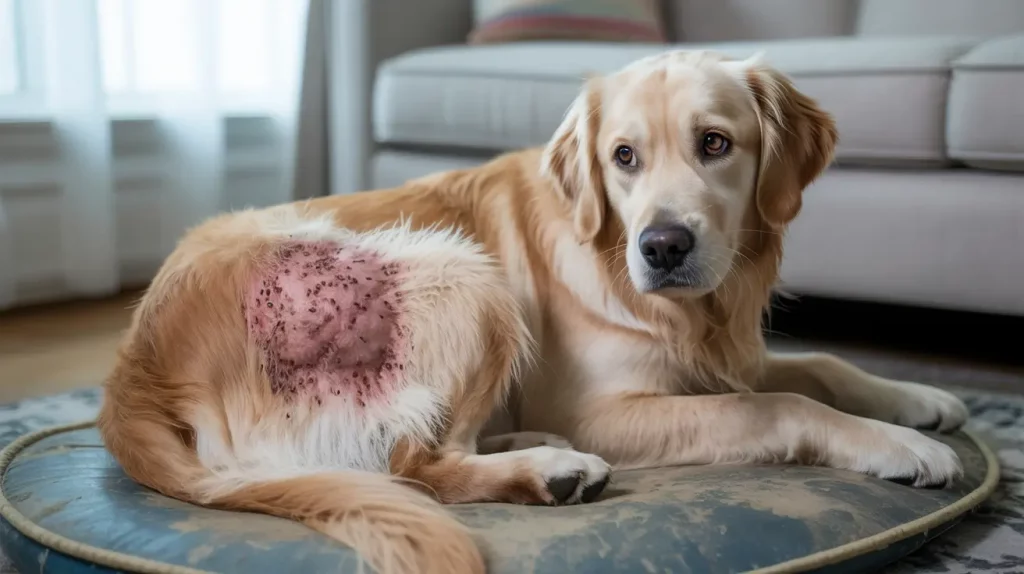
If your dog has been scratching more than usual, chewing at their skin, or developing scabs and hot spots that were not there last week, fleas are one of the first possibilities worth investigating. In Miami’s climate, where fleas remain active every month of the year without any cold-weather interruption, flea problems on dogs develop faster and persist longer than in almost any other part of the country.
The challenge with flea bites on dogs is that the bites themselves are rarely the whole story. For some dogs, a handful of flea bites produces minor irritation that resolves on its own. For others, a single bite triggers a significant allergic response that leads to intense itching, skin damage, secondary infection, and weeks of discomfort. Understanding what you are looking at, what is causing it, and what it takes to resolve it completely is the difference between a managed problem and one that keeps cycling back.
This guide covers what flea bites on dogs look like at every stage, how to identify flea bite dermatitis and allergic reactions, how to treat flea bites effectively, and when the situation requires professional pest control rather than just a topical product from the pet store.
What Do Dog Flea Bites Look Like?
Knowing what to look for is the starting point for any flea bite assessment, and the appearance of flea bites on dogs varies depending on the dog’s coat, skin tone, and individual sensitivity to flea saliva.
On the Skin
Flea bites on a dog’s skin appear as small, raised red bumps roughly the size of a pinhead. They are typically surrounded by a slightly reddened halo and may appear in clusters or in a linear pattern because fleas often bite multiple times in the same area during a single feeding session. The bites are most commonly found on the lower back near the base of the tail, the inner thighs, the groin area, the abdomen, and behind the ears. These areas are preferred feeding sites because the skin is thinner and more accessible and fleas congregate in areas where the dog cannot groom effectively.
On dogs with dense or dark coats, the bites themselves may not be visible without parting the fur and examining the skin directly. In these cases, the behavioral signs, scratching, biting, and restlessness, are often the first indicators before the skin changes are visible.
Flea Bite Scabs on Dogs
Flea bite scabs on dogs develop when a dog scratches, bites, or rubs a bitten area repeatedly in response to the intense itching flea saliva causes. The repeated trauma to the skin breaks the surface, causes minor bleeding, and leads to scab formation as the skin attempts to heal. Scabs from flea bites are small, dark, and often found in clusters in the same locations where bites are most common, particularly along the lower back, base of the tail, and inner thighs.
Scabs that are repeatedly disturbed by the dog’s scratching or chewing do not heal cleanly and can develop into larger raw patches called hot spots, which are areas of acute moist dermatitis that are painful, inflamed, and susceptible to secondary bacterial infection. Hot spots that develop from flea bite activity require veterinary attention to treat both the skin damage and the underlying flea allergy triggering the response.
Allergic Reaction to Flea Bites in Dogs
Not every dog responds to flea bites in the same way, and the difference between a minor irritation and a serious skin condition often comes down to whether the dog has developed flea allergy dermatitis.
What Is Flea Allergy Dermatitis?
Flea allergy dermatitis, also called FAD, is the most common skin condition in dogs in the United States and is particularly prevalent in Miami where flea pressure is year-round. It is not a reaction to the bite itself but to proteins present in flea saliva that are introduced into the skin during feeding. Dogs with FAD mount an exaggerated immune response to these proteins, meaning a single flea bite can trigger intense, widespread itching that far exceeds what a non-allergic dog would experience from the same exposure.
An allergic reaction to flea bites in a dog with FAD does not require a heavy flea infestation to become severe. A dog with flea allergy dermatitis can develop a significant skin reaction from just a few bites, which is why owners of allergic dogs sometimes dismiss fleas as the cause because they see very little evidence of fleas on the dog itself.
Flea Bite Dermatitis Dog Treatment
Flea bite dermatitis dog treatment involves addressing two things simultaneously: eliminating the flea exposure triggering the reaction and treating the skin condition the reaction has caused.
On the treatment side, a veterinarian may prescribe antihistamines or corticosteroids to reduce the inflammatory response and relieve itching, antibiotics if secondary bacterial infection is present in hot spots or broken skin, medicated shampoos or topical treatments to soothe damaged skin, and a fast-acting prescription flea preventative that kills fleas before they can bite. Over-the-counter flea products applied after a dermatitis reaction has begun are rarely sufficient for dogs with FAD because the allergy response continues even after fleas are eliminated from the dog’s body. Veterinary involvement is important for any dog showing signs of flea allergy dermatitis beyond mild irritation.
On the environmental side, eliminating fleas from the home and yard is equally important. A dog with flea allergy dermatitis that is treated medically but returned to a flea-infested environment will continue reacting regardless of what is done for the skin. Professional pest control is often the most reliable path to breaking this cycle completely.
Treating Flea Bites in Dogs: What Owners Can Do at Home
For dogs with mild flea bite reactions that have not progressed to dermatitis, hot spots, or significant skin damage, several at-home steps help manage symptoms while the flea problem is being addressed.
Bathe the dog with a gentle, fragrance-free oatmeal shampoo to soothe irritated skin and remove any fleas or flea dirt present on the coat. Use a fine-toothed flea comb through the coat after bathing to remove remaining flea debris and check the density of infestation. Apply a veterinarian-recommended flea preventative immediately after bathing and ensure it is appropriate for the dog’s weight and age.
Avoid applying human anti-itch creams, hydrocortisone products formulated for humans, or essential oil-based remedies to flea bite sites without veterinary guidance. Some of these products contain ingredients toxic to dogs, and applying topical treatments to open or broken skin can introduce additional irritation or infection risk.
Monitor the bitten areas daily for signs that the reaction is worsening rather than improving. Expanding redness, increasing scab formation, discharge, odor from a hot spot, or behavioral signs of significant pain are all reasons to contact a veterinarian rather than continuing at-home management.
Difference Between Flea Bites and Mosquito Bites on Dogs
Distinguishing between flea bites and mosquito bites on dogs helps identify the correct source of irritation and points to the right treatment and prevention approach.
Flea bites tend to appear in clusters concentrated in specific areas of the body, particularly the lower back, base of the tail, groin, and abdomen. They are small, intensely itchy, and often accompanied by flea dirt, which is flea excrement that appears as tiny black or reddish-brown specks in the coat that turn red when moistened on a wet paper towel.
Mosquito bites on dogs appear as individual raised welts rather than clustered bites and are more commonly found on areas with thinner fur coverage such as the bridge of the nose, around the ears, and on the belly. Mosquito bites cause localized swelling and itching but rarely produce the widespread scratching, coat thinning, and skin damage patterns associated with flea infestation.
The presence of flea dirt in the coat is the clearest distinguishing factor. If flea dirt is present alongside skin irritation and scratching, fleas are the source regardless of whether live fleas are visible on the dog at the time of examination.
When to Call a Professional for Flea Control in Miami
Treating flea bites on the dog addresses the symptom. Eliminating fleas from the home and yard addresses the source, and in Miami’s climate that requires more than a can of spray from the grocery store.
Fleas lay eggs on the dog that fall off into the carpet, bedding, furniture, and flooring throughout the home. Within days those eggs hatch into larvae that burrow into carpet fibers and feed on organic debris before pupating into adults that are ready to feed again. The pupal stage is the most treatment-resistant stage in the flea life cycle and can remain dormant for weeks or months before emerging, which is why flea infestations in Miami homes often seem to resolve and then return without warning even after thorough cleaning.
Professional flea control targets all life stages simultaneously with residual treatments applied inside the home and yard treatments that address the outdoor population your dog is being re-exposed to on every walk or outdoor visit. Without addressing both environments, flea reinfestation on your dog will continue regardless of how consistently preventatives are applied.
If your dog has been on a consistent flea preventative and is still showing flea bite reactions, if you have treated the home without resolution, or if multiple pets in the household are affected simultaneously, professional pest control is the most reliable next step.
Get Rid of Fleas in Your Miami Home and Give Your Dog Real Relief
Flea bites on dogs are a manageable problem, but only when the full picture is addressed. Treating the dog alone while fleas continue to develop in carpets and yard areas produces temporary relief followed by the same problem returning within weeks. Real resolution requires eliminating fleas from every environment your dog inhabits.
iPest Control Inc. provides professional flea control treatments for Miami homes and yards, targeting all flea life stages with treatments designed for South Florida’s year-round flea pressure. Our licensed technicians assess the full scope of the infestation, treat interior and exterior environments, and build a follow-up plan that prevents reinfestation rather than just managing the current cycle.
Contact iPest Control Inc. today to schedule your flea control treatment and give your dog the lasting relief they deserve.
Frequently Asked Questions
- How long after flea treatment do flea bites on dogs stop appearing?
After effective flea treatment of both the dog and the home environment, most dogs experience a significant reduction in new bites within one to two weeks. However, flea pupae in the home can continue hatching for up to several weeks after treatment, which means new adult fleas may emerge and bite before dying from residual treatment product. Full resolution of a flea infestation in a Miami home typically takes two to four weeks from the date of professional treatment. - Can flea bites on dogs cause anemia?
Yes, in cases of severe infestation particularly in puppies, small dogs, or elderly dogs. Fleas consume blood during feeding, and a heavy infestation can remove enough blood to cause anemia characterized by lethargy, pale gums, and weakness. Severe flea infestation in a small or young dog is a veterinary emergency requiring prompt medical attention alongside flea elimination treatment. - How do I know if my dog has flea dirt or regular dirt in their coat?
Place a small amount of the debris from your dog’s coat on a moistened white paper towel or tissue and wait thirty seconds. Flea dirt, which is digested blood, will produce a reddish-brown smear as the moisture dissolves it. Regular dirt will not produce this color change. This simple test is one of the most reliable ways to confirm flea activity on a dog even when live fleas are not immediately visible. - Can fleas from my dog infest my bedding and furniture?
Yes. Flea eggs laid on a dog fall off continuously throughout the day wherever the dog rests, walks, or sleeps. This means pet bedding, furniture the dog has access to, carpets, and rugs throughout the home all accumulate flea eggs that hatch and develop into new adults regardless of whether the dog is treated. Treating the dog without treating the home environment is one of the most common reasons flea problems persist despite consistent preventative use. - My dog is on monthly flea prevention but still has flea bites. Why?
Monthly flea preventatives work by killing adult fleas after they bite, not before. A dog with flea allergy dermatitis can react to bites that occur in the brief window between a flea jumping on the dog and the preventative killing it. Additionally, some preventatives lose effectiveness before the next monthly dose in heavy infestation environments. If your dog is reacting despite consistent preventative use, speak with your veterinarian about switching to a faster-acting product and contact a pest control professional to address the environmental flea population your dog is being continuously re-exposed to.