
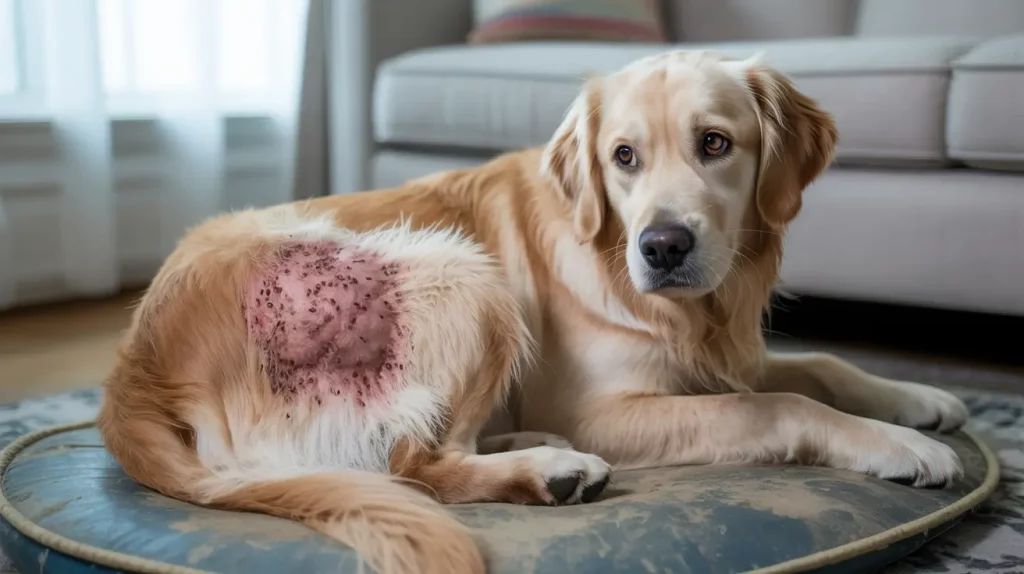
Few things are more frustrating than thinking the flea or tick problem is finally gone, only to find another one on your pet a few days later.
Then you start wondering where they are still coming from. Are they hiding somewhere inside the house? Are they being picked up again from the yard? Did you miss part of the infestation the first time?
Fleas and ticks are rarely just a pet problem. Once they start showing up repeatedly, there is a good chance you need to look beyond the animal and figure out where else they are surviving.
If you are trying to figure out how to get rid of fleas and ticks, this guide will walk you through what to check across your pets, home, and yard so you can stop the cycle instead of dealing with the same problem again.
Start With Your Pets
Pets are often where homeowners first notice fleas or ticks, so they need attention at the same time as the surrounding environment.
Check dogs and cats carefully, particularly after they have spent time outdoors.
For fleas, pay close attention around the:
- Neck and collar
- Belly and groin
- Base of the tail
- Back legs
For ticks, the CDC recommends checking areas such as:
- In and around the ears
- Around the eyelids
- Under the collar
- Under the front legs
- Between the toes
- Between the back legs
- Around the tail
Ticks should be removed promptly when found. The CDC also recommends checking pets daily when they regularly spend time outdoors.
Finding fleas or ticks on your pet is also a good reason to speak with your veterinarian about an appropriate preventive or treatment product.
Do not assume a product that works for one animal is safe for another. The EPA specifically warns against using products intended for dogs on cats and recommends choosing products according to the animal species, size, and weight listed on the label.
Treating the pet matters, but it should not automatically be the end of the process.
Clean the Places Your Pets Use Most
A flea problem does not remain confined to your dog’s coat or your cat’s fur.
Fleas can develop in carpets, bedding, furniture, cracks, and other areas where pets spend time. UF/IFAS notes that effective flea control can require treating both the animal and the premises because pets can become reinfested from their surroundings.
Start with the places your pet uses every day.
Vacuum:
- Carpets and rugs
- Upholstered furniture
- Under furniture
- Along baseboards
- Floor cracks and crevices
- Pet sleeping areas
- Areas beneath pet beds
- Other favorite resting spots
For an active flea infestation, the EPA recommends vacuuming every day initially because vacuuming can remove adult fleas as well as eggs and larvae.
Dispose of the vacuum contents promptly so what you removed does not remain inside the home.
Wash Bedding and Other Washable Fabrics
Pet bedding can become one of the areas where an infestation continues unnoticed.
Wash pet beds, blankets, and other washable materials your pet frequently lies on. Do not forget human bedding if pets regularly sleep on the bed.
The EPA recommends washing pet bedding and family bedding used by pets in hot, soapy water every two to three weeks as part of flea control. More frequent cleaning may be useful while dealing with an active infestation.
Pay particular attention to areas where pets sleep for long periods because those spaces can accumulate flea eggs and developing stages.
Steam cleaning carpets and other suitable surfaces may provide another useful layer of control. UF/IFAS also identifies vacuuming and steam cleaning as important nonchemical methods for managing flea infestations indoors.
Do Not Treat Only the Adult Fleas You See
This is where many flea-control attempts fall short.
The flea jumping across the floor is an adult. Other stages of the flea life cycle may still be developing elsewhere around the home.
That is why killing visible adult fleas can make the problem appear better temporarily without completely stopping the infestation.
Effective treatment needs to account for the flea life cycle and the areas where immature fleas are developing.
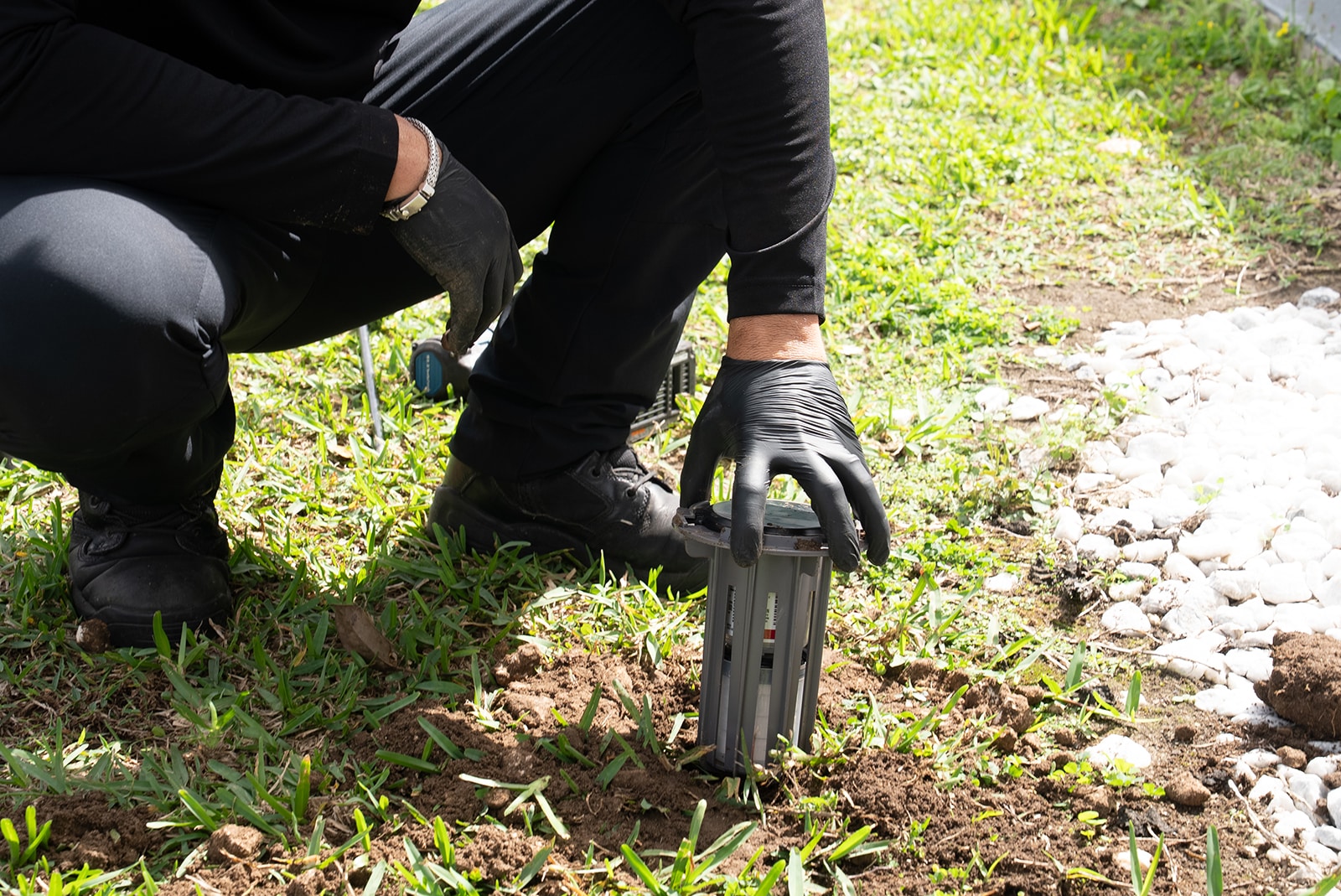
iPest Control Inc. includes insect growth regulator, or IGR, treatment as part of its home and yard flea and tick service. IGRs are used to interfere with the development of immature fleas rather than focusing only on adults. The company’s treatment covers interior areas, pet areas, lawns, and shaded zones.
This is also why some infestations do not disappear immediately after the first treatment. Follow-up may be needed as different stages of the population are addressed.
Make Your Yard Less Comfortable for Fleas
If pets spend time outside, the yard also needs attention.
Fleas tend to do better in protected, humid, shaded locations rather than hot areas exposed to direct sunlight. The CDC recommends modifying the yard by mowing regularly, avoiding excessive watering, removing debris, and reducing shaded and humid areas where fleas can survive.
Pay extra attention to:
- Under decks
- Beneath outdoor furniture
- Shaded portions of the lawn
- Dog runs
- Kennels
- Areas underneath shrubs
- Leaf litter
- Places where pets regularly rest
- Areas around fences and structures
Do not assume the entire lawn needs to be treated equally.
UF/IFAS notes that flea larvae favor dry, shaded areas and that treating the entire yard can be unnecessary. Treatment should focus on the areas where fleas are actually likely to survive and where pets spend time.
That is one reason an inspection can be more useful than simply spraying every square foot of grass.
Reduce Tick Habitat Around the Property
Ticks require a slightly different approach.
Many tick species are associated with grassy, brushy, wooded, or overgrown areas where they can wait for a host to pass.
Keeping the yard maintained can reduce those opportunities.
The CDC recommends:
- Mowing grass regularly
- Removing leaf litter
- Clearing tall grass and brush
- Keeping patios and play areas away from heavily vegetated edges
- Removing yard clutter
- Discouraging unwanted animals from entering the property
UF/IFAS similarly recommends reducing tall grass, weeds, brush, debris, and rodent harborage around residential properties.
Sunny, maintained areas generally offer ticks fewer protected places than overgrown, humid vegetation.
Pay particular attention to yard edges, fence lines, dense landscaping, dog runs, and anywhere pets repeatedly walk or lie down.
Keep Wildlife and Stray Animals From Bringing Fleas Back
Your pet may not be the only animal using the yard.
Stray cats, raccoons, opossums, rodents, and other animals can carry fleas onto a property. That means a home can continue experiencing flea pressure even after the family pet has been treated.
The CDC recommends making the property less attractive to these animals by:
- Bringing pet food indoors
- Keeping trash containers tightly covered
- Removing brush and clutter
- Reducing rodent hiding places
- Sealing openings rodents can use to enter the home
- Limiting pets’ contact with stray and wild animals
If you regularly leave food outside overnight, have heavy vegetation around the property, or know animals are sheltering underneath a deck or structure, those conditions may need to be addressed as part of the larger flea-control plan.
Otherwise, new fleas can continue arriving from outside.
Remember That Some Ticks Can Become an Indoor Problem
Not every tick problem ends when your dog comes back through the door.
The brown dog tick is particularly important because it can infest indoor environments, including homes and kennels. Pets can also carry other ticks indoors after spending time outside.
If you have found multiple ticks indoors, inspect areas where your pet sleeps and spends time rather than assuming every tick is an isolated hitchhiker.
Also check your pet after walks, trips to parks, time in tall grass, or time around dense vegetation.
A daily check makes it easier to remove ticks before they remain attached or move elsewhere in the home.
Stay Consistent After the First Treatment
One thorough cleaning is helpful. It may not be enough for an established flea infestation.
Flea eggs, larvae, and other developing stages may be present in different places around the home, while pets can encounter new fleas and ticks outside.
Keep following your cleaning and prevention routine even after activity begins to decline.
That may mean:
- Continuing regular vacuuming
- Washing pet bedding
- Checking pets
- Following the veterinarian’s preventive schedule
- Maintaining grass and landscaping
- Removing yard debris
- Watching previously affected areas
- Completing recommended professional follow-up treatments
Stopping as soon as you stop seeing adult fleas can give a remaining population the opportunity to rebuild.
Know When the Problem Has Spread Beyond DIY Control
A few preventive steps can go a long way, particularly when the problem is caught early.
An infestation becomes harder to manage when fleas continue appearing despite treating the pet and cleaning, several rooms are affected, ticks repeatedly appear indoors, or pets continue picking up fleas and ticks from the yard.
At that point, guessing where to spray is unlikely to solve the underlying problem.
A professional inspection can identify where activity is concentrated and whether the treatment needs to cover the home, pet areas, yard, or a combination of all three.
That distinction matters because flea and tick control should target where the pests actually live rather than treating every surface indiscriminately.
Get the Fleas and Ticks Out of More Than Just Your Pet’s Fur
Learning how to get rid of fleas and ticks means looking beyond the first place you found them.
Pets need appropriate protection. Indoor areas where they sleep and rest need to be cleaned and monitored. Yards need to be maintained so fleas and ticks have fewer places to survive. When several parts of the infestation are active at once, they need to be addressed together.
That is where iPest Control Inc. can help when the problem continues despite the work you are doing at home.
iPest Control Inc. provides flea and tick treatment for homes and yards throughout Miami-Dade and Broward County. Its service targets interior areas, pet spaces, lawns, patios, and shaded outdoor zones, while using IGR treatment to address more than the adult fleas you can see. The current home and yard treatment starts at $295 and includes one follow-up if needed.
Getting control of an infestation becomes much easier when your pet, home, and yard stop working against each other.
Frequently Asked Questions
1. Can I get rid of fleas by treating my pet only?
Not always. Fleas can also be present in carpets, furniture, bedding, cracks, pet sleeping areas, and outdoor spaces. UF/IFAS recommends addressing the premises along with the pet when necessary because pets can become reinfested from their surroundings.
2. How often should I vacuum when trying to get rid of fleas?
During the initial stage of an active flea infestation, the EPA recommends vacuuming every day. Focus on carpets, rugs, upholstered furniture, baseboards, floor cracks, and areas where pets spend the most time.
3. Where do fleas usually live in the yard?
Fleas are more likely to survive in shaded, protected, humid areas than in open areas exposed to strong sunlight. Check beneath decks, around kennels and dog runs, under shrubs, near yard debris, and other shaded places where pets or wildlife spend time.
4. Can ticks live inside a house?
Some can. The brown dog tick is capable of infesting indoor environments such as homes and kennels. Finding ticks repeatedly indoors, especially around areas used by pets, should therefore be taken seriously.
5. Is professional flea and tick treatment safe around pets?
Products used around pets must be selected and applied according to their labels and appropriate safety precautions. iPest Control Inc. offers targeted home and yard flea and tick treatments that include pet areas as part of the inspection and treatment plan. Pet-specific flea or tick medications should still be discussed with your veterinarian, since products appropriate for one animal may not be appropriate for another.