
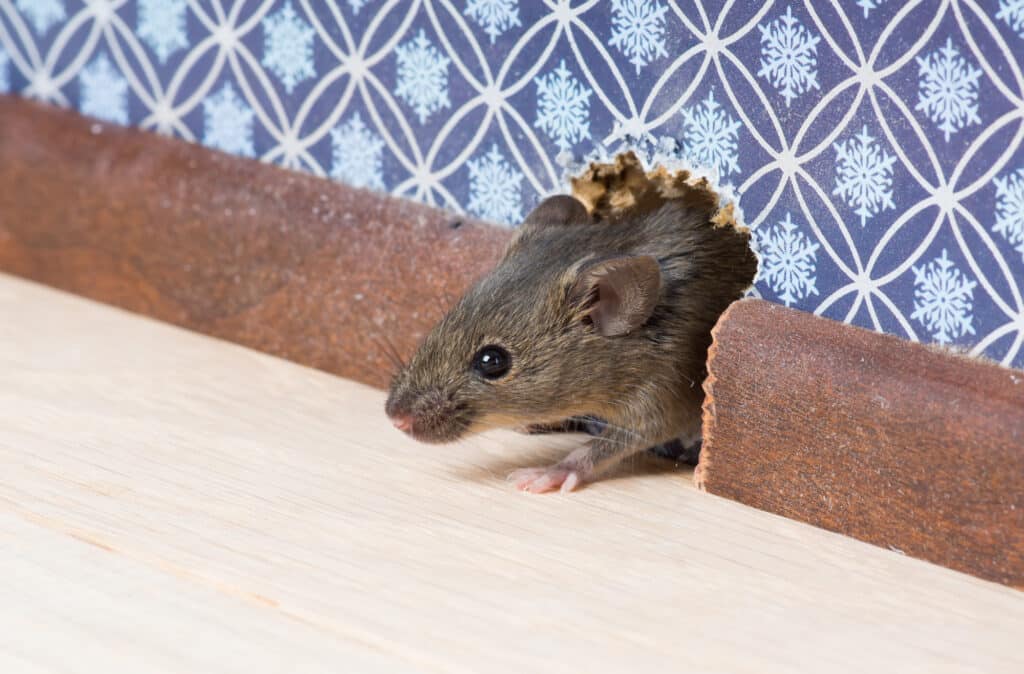
You can keep a clean home, lock every door at night, and still end up hearing scratching above the ceiling or finding droppings somewhere they definitely should not be.
Then comes the frustrating part. Even if you catch one rodent, you still do not know how it got inside or whether another one can use the exact same route tomorrow.
For Miami homeowners asking how mice get in the house, the answer often has less to do with cleanliness than with small openings, roof access, landscaping, and parts of the home that rarely get inspected.
This guide explains how mice and rats find their way into Miami homes, where to look for possible entry points, and how to close those routes before rodents make themselves comfortable inside.
Mice and Rats You May Find Around Miami Homes
Knowing which rodent you are dealing with can give you clues about where to inspect. Some rodents stay closer to the ground, while others are skilled climbers that can reach roofs, attics, and upper levels surprisingly easily.
House Mice
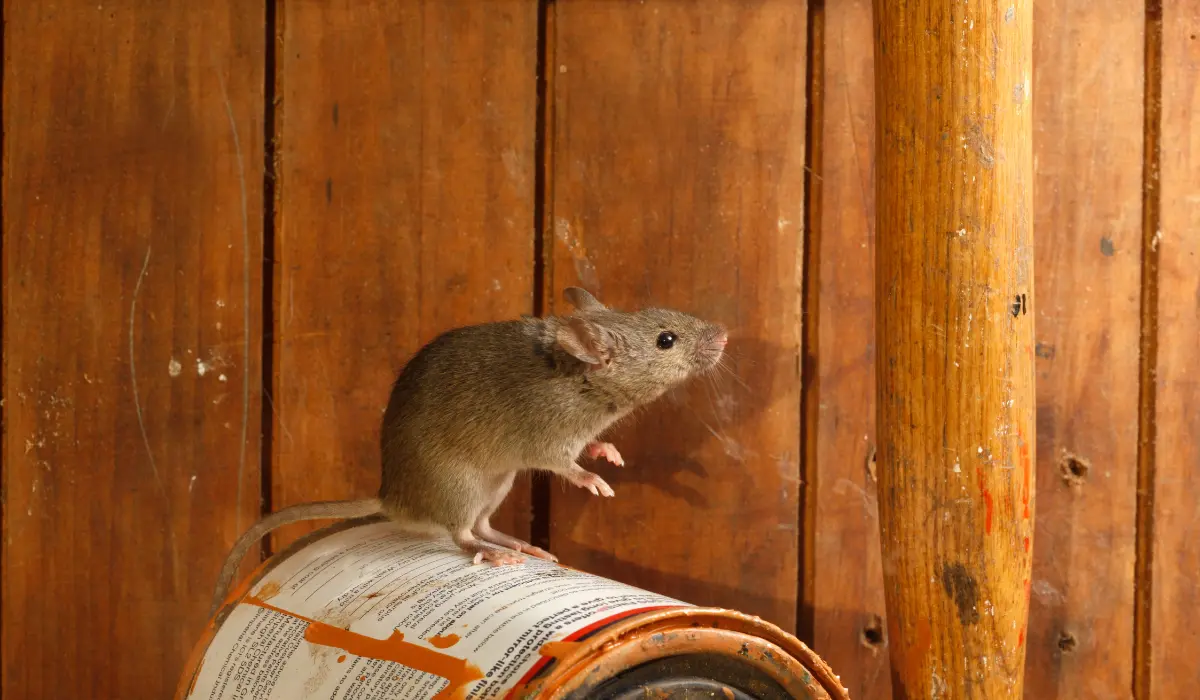
House mice can live inside walls, cabinets, furniture, storage areas, garages, and other protected spaces around a home.
Their small size gives them access through openings homeowners may barely notice. According to the CDC, a mouse can fit through an opening only about 1/4 inch wide, roughly the width of a pencil. (CDC)
A gap does not need to look large enough for an animal to become a problem.
Roof Rats
Roof rats are especially important for Florida homeowners.
UF/IFAS identifies the roof rat as Florida’s most abundant and problematic pest rat. Unlike rodents that primarily stay near ground level, roof rats are excellent climbers and commonly live in attics, soffits, palm trees, shrubs, and other elevated areas. (UF/IFAS)
They can move along:
- Tree branches
- Vines
- Fences
- Utility lines
- Pipes
- Rough exterior walls
A home can therefore be vulnerable from above even when everything around the foundation looks properly sealed.
Norway Rats
Norway rats are less common in Florida than roof rats, but they can still create problems around structures.
They are more closely associated with the ground and commonly burrow beneath buildings, concrete slabs, rubbish, and landscaped areas. (UF/IFAS)
That difference is another reason a complete rodent inspection should not focus on only one part of the property.
How Do Mice and Rats Get Into the House?
Rodents rarely need an obvious open door. They take advantage of small construction gaps, worn materials, roof access, and openings created for utilities and ventilation.
Gaps Around Doors and Garage Doors
A door can close normally and still leave enough space underneath or along the sides for a rodent.
Inspect:
- Exterior doors
- Garage doors
- Side garage entrances
- Door thresholds
- Weatherstripping
- Corners where the frame meets the wall
Garage doors deserve particular attention because worn seals can leave openings along the bottom corners.
Once rodents enter a garage, they may find additional openings that lead into walls, ceilings, kitchens, storage areas, or the attic.
Openings Around Pipes and Utility Lines
Air-conditioning lines, plumbing, electrical cables, internet lines, gas lines, and other utilities all need a way to enter a building.
The space around those penetrations can become a rodent entrance when it is left open or deteriorates over time.
The CDC specifically recommends checking around electrical, water, gas, sewer, plumbing, and cable lines when inspecting a home for rodent access. (CDC)
Look carefully around both the exterior opening and the point where the line enters interior spaces.
Rooflines, Eaves, Soffits, and Attic Vents
For roof rats, the top of the house can be just as important as the bottom.
Damaged soffits, loose roofline materials, unscreened vents, and gaps around eaves can provide access to an attic.
The CDC recommends inspecting:
- Rafters
- Gables
- Eaves
- Soffits
- Attic vents
(CDC)
An opening that is difficult to notice from the ground may be easy for a climbing rat to reach.
Gaps Around Windows and Exterior Walls
Older caulking, damaged frames, building movement, repairs, and weather exposure can all create openings around windows or walls.
Check areas where:
- Window frames meet exterior walls
- Different building materials meet
- Previous repairs have been completed
- Cracks have developed
- Exterior fixtures have been installed
Small openings deserve attention, particularly when you already have evidence of rodent activity nearby.
Crawl Spaces and Foundation Openings
Homes with crawl spaces, raised areas, or accessible gaps near the foundation can offer rodents another route inside.
Inspect foundation vents, structural gaps, damaged screening, and openings between the building and ground.
Rodents that enter underneath the home may eventually find routes into wall voids, plumbing chases, or interior spaces.
Tree Branches and Palms Near the Roof
Sometimes the entrance is not attached to the house at all.
A tree branch hanging over the roof can act like a bridge.
UF/IFAS warns that rats and other pests use touching or overhanging branches to reach homes. Roof rats can jump more than four feet horizontally and are skilled climbers. (UF/IFAS)
Palm trees can create another problem. Dead palm fronds provide sheltered areas where rodents can hide, while branches and foliage near the structure can make roof access easier.
Damaged Vents and Screens
Vents are necessary for airflow, but an opening without proper screening can also become an entrance.
Inspect:
- Attic vents
- Crawl-space vents
- Dryer vents
- Exhaust openings
- Other exterior ventilation points
Look for missing screens, torn material, loose edges, or openings around the vent itself.
How to Seal Mice and Rats Out of Your Miami Home
Once possible access points have been identified, exclusion becomes one of the most important parts of long-term rodent control. Trapping rodents already inside does not prevent new ones from entering through an opening that remains untouched.
Inspect the Home From Roofline to Foundation
Do not inspect only the room where you found droppings.
Walk the entire exterior of the home and look upward as well as downward.
Check:
- Roof edges
- Soffits
- Eaves
- Vents
- Exterior walls
- Utility penetrations
- Windows
- Doors
- Garage doors
- Foundation areas
Then inspect accessible interior areas such as the attic, garage, behind appliances, underneath sinks, inside cabinets, and around utility lines.
The route a rodent uses to enter the structure may be nowhere near the room where you eventually notice it.
Use Materials Rodents Cannot Easily Defeat
Not every gap should be filled with ordinary caulk or foam alone.
Rodents gnaw, so larger openings often need durable materials.
For small holes, the CDC recommends steel wool secured with caulk or spray foam. Larger openings may require materials such as:
- Hardware cloth
- Metal screening
- Metal sheeting
- Cement
- Other rodent-resistant materials
(CDC)
The correct material depends on the opening and the part of the structure being repaired.
Repair Door Seals and Weatherstripping
Inspect weatherstripping instead of assuming a closed door is sealed.
Replace worn or damaged material and pay particular attention to garage-door corners.
A properly fitted door sweep can close the space underneath an exterior door without interfering with normal operation.
Continue checking these materials periodically because Florida heat, moisture, storms, and regular use can cause seals to deteriorate.
Screen Vents Without Blocking Airflow
Damaged or open vents should be protected with appropriate rodent-resistant screening while still allowing the ventilation system to function correctly.
Do not simply block an attic or exhaust vent.
The purpose is to prevent animal access without creating moisture, airflow, or equipment problems elsewhere in the building.
Professional repair may be appropriate when the vent is part of a roofing, HVAC, dryer, or other building system.
Trim Trees and Landscaping Away From the Structure
Rodent exclusion does not stop at the exterior wall.
Trim branches that touch or hang directly over the roof and keep shrubs from creating dense cover against the structure.
UF/IFAS also recommends removing dead palm leaves and pruning palm seed pods that may produce fruit attractive to rodents. (UF/IFAS)
Around a Miami property, pay attention to:
- Palm trees
- Fruit trees
- Dense hedges
- Vines
- Roof-touching branches
- Vegetation along fences
- Heavy growth beside exterior walls
Reducing these pathways makes it harder for roof rats to reach vulnerable areas of the building.
Remove Food and Shelter Around the Property
Sealing the house works better when rodents have fewer reasons to stay around it.
Secure:
- Garbage
- Pet food
- Birdseed
- Stored animal feed
- Outdoor cooking areas
- Fallen fruit
- Compost
Remove unnecessary clutter, debris, wood piles, and heavy vegetation that can provide shelter.
UF/IFAS specifically recommends cleaning fallen fruit, removing plant debris near homes, and keeping compost and other potential rodent attractants away from structures. (UF/IFAS)
A sealed opening keeps rodents out. Reducing food and shelter gives them less reason to keep searching for another one.
Signs Rodents May Already Be Inside
An entry point becomes more urgent when there is evidence that mice or rats are already using it. Rodents are often most active at night, so homeowners may notice what they leave behind before seeing the animals themselves.
Scratching or Movement at Night
Scratching, scurrying, or gnawing noises inside ceilings and walls can indicate rodent activity.
Sounds coming from the attic are particularly relevant when roof rats are involved because they prefer elevated nesting areas.
Rodent Droppings
Droppings may appear:
- Inside cabinets
- Along walls
- Behind appliances
- In garages
- In attics
- Around food storage
- Along known rodent travel routes
Fresh droppings appearing after previous ones have been cleaned up can indicate continuing activity.
Gnaw Marks
Mice and rats continually gnaw because their teeth keep growing.
Damage may appear on:
- Food packaging
- Wood
- Plastic
- Stored belongings
- Pipes
- Electrical wiring
UF/IFAS notes that roof rats can damage wiring, rafters, pipes, walls, and other materials when they enter structures. (UF/IFAS)
Grease or Rub Marks
Rats tend to follow regular routes.
Over time, repeated contact can leave dark rub marks along walls, beams, pipes, or other surfaces they regularly travel beside.
These marks can help indicate pathways that should be considered during an inspection.
Why Trapping Alone May Not Solve a Rodent Problem
Catching the rodent you hear in the attic can solve part of the immediate problem. If the opening it used remains accessible, however, the property is still vulnerable to another mouse or rat.
The CDC recommends checking how rodents entered and sealing openings as part of controlling an infestation, along with trapping animals already inside. (CDC)
Removal and exclusion work together.
Trapping addresses the animals currently inside. Exclusion addresses the route that allowed them there.
Skipping the second part can turn rodent control into a repeated cycle of catching one animal after another.
When Professional Rodent Exclusion Makes Sense
Some entry points are obvious enough for a homeowner to address. Others are high above the ground, hidden behind structural components, or spread across several parts of the property.
A professional rodent inspection may make sense when:
- Scratching continues after rodents have been trapped.
- Droppings keep reappearing.
- You cannot identify the entry point.
- Activity is concentrated in the attic or roofline.
- Several possible openings are present.
- Roof or soffit repairs are needed.
- Rodents continue returning after previous control attempts.
A complete inspection should look beyond where the rodent was caught and determine how the structure is being accessed.
Keep the Next Mouse or Rat From Finding the Same Way In
If you are wondering how mice get in the house, finding the rodent is only half of the answer. The opening it used matters just as much.
Miami homes can give rodents several possible routes, from worn garage-door seals and utility penetrations to roof vents, soffits, and branches that allow roof rats to reach the attic. Once those weak points are identified and properly sealed, the home becomes much harder to reinvade.
When rodent activity continues or the entry point is difficult to locate, iPest Control Inc. can inspect the entire property instead of concentrating only on the room where the rodent was seen.
Its rodent-control service covers attics, crawl spaces, garages, kitchens, exterior walls, and other possible nesting and access areas. Depending on what the inspection finds, iPest Control Inc. can provide trapping and removal, exterior protection, rodent exclusion to seal rooflines, vents, gaps, and entry points, and follow-up monitoring. (iPest Control Inc.)
Catching the rodent takes care of the one already inside. Closing the route it used helps keep the next one from taking its place.
Frequently Asked Questions About Mice and Rats in Miami Homes
Homeowners often notice the rodent before they understand how it entered. These answers cover some of the most common questions about rodent access and exclusion.
How do mice get in the house if all the doors are closed?
Mice can enter through very small gaps around utility lines, walls, vents, doors, windows, foundations, and other parts of the structure. According to the CDC, a mouse can fit through an opening approximately 1/4 inch wide, about the width of a pencil. (CDC)
Can rats get into a house through the roof?
Yes. Roof rats are strong climbers and can use trees, utility lines, vines, pipes, and other elevated routes to reach a building. Once at roof level, damaged soffits, vents, eaves, or roofline openings may give them access to an attic.
What should I use to seal holes against mice and rats?
The material depends on the size and location of the opening. The CDC recommends steel wool secured with caulk or foam for small holes and stronger materials such as hardware cloth, metal sheeting, metal screening, or cement for larger openings. (CDC)
Do palm trees attract roof rats?
Palm trees can provide roof rats with shelter, food, and routes toward structures. UF/IFAS recommends removing dead palm fronds and pruning seed pods where appropriate, as well as keeping vegetation from providing easy access to roofs. (UF/IFAS)
Should I seal rodent entry points if rats or mice are already inside?
The rodents already inside also need to be removed. Sealing without understanding where rodents are located can create additional problems, while trapping alone leaves the building open to reinfestation. iPest Control Inc. combines rodent inspection and removal with exclusion recommendations or sealing when needed so both the current activity and the entry routes can be addressed. (iPest Control Inc.)