
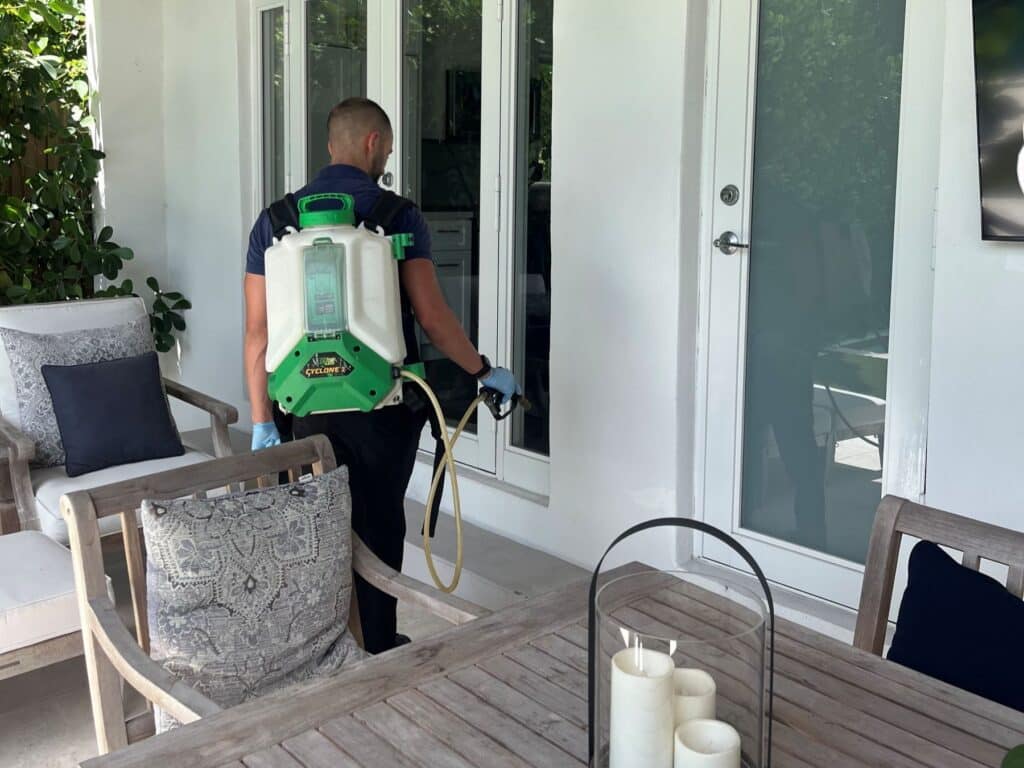
If you live in Miami and you’re not seeing bugs, it’s easy to assume your home is pest-free.
But in South Florida, “I don’t see anything” usually means one thing: you haven’t seen the problem yet. A lot of the pests that cause the biggest headaches and the most expensive damage are built to stay out of sight. They hide in wall voids, attics, insulation, cabinets, pipe chases, and under appliances. They come out at night, or they never need to come out at all.
This is exactly why Pest Control in Miami FL is often about prevention, not panic. Miami-Dade’s environment supports pests year-round, including mosquitoes around the home and property. And Florida also has several termite types that can affect structures, with activity that isn’t always obvious to homeowners.
This guide breaks down:
- Why you can have hidden infestations without sightings
- How silent pest damage happens
- The common “quiet” entry points in Miami homes
- What prevention actually looks like when it’s done correctly
“No bugs” is not proof. It’s a visibility issue.
Most homeowners think pests announce themselves. In reality, many pests are active in ways that avoid your normal routine.
1) A lot of pest activity happens when your house is quiet
Some pests are most active at night or in low-light conditions. That means you can live in a home for weeks and never see activity, even when it’s happening consistently.
2) Pests spend most of their time near moisture and shelter
In Miami homes, moisture-prone areas are where pests prefer to settle because they don’t have to travel far for what they need.
Common “invisible” zones include:
- Under-sink cabinets (especially if there’s a slow drip you’ve stopped noticing)
- Behind the refrigerator and stove (warmth + crumbs + tight gaps)
- Laundry rooms and A/C closet areas
- Bathroom vanities and behind toilets
- Attic insulation and soffit-adjacent spaces
This is one reason homeowners feel blindsided. The pests aren’t “missing.” They’re just not living in the open.
3) Sightings usually happen late, not early
When a pest issue becomes visible, it often means one of these is already true:
- The population is established
- The home has repeatable entry routes
- Moisture or food sources are feeding the issue
- The activity has spread beyond one room
So the “first sighting” is often the moment the problem finally becomes obvious, not the moment it began.
Hidden infestations are common in Miami because pests don’t get a seasonal reset
In many states, winter reduces pest activity. In Miami, conditions stay workable for pests for much more of the year.
Miami-Dade County itself emphasizes that mosquito activity is a year-round concern in the county, and the University of Miami has published research describing mosquitoes that can transmit viruses as a year-round threat in Miami-Dade.
That “year-round pressure” mindset is important because it applies broadly:
- Warm temperatures support ongoing breeding cycles
- Humidity supports survival and nesting
- Rainy periods create sudden spikes, especially for mosquitoes around standing water
So even if your home is clean, pest pressure can still build from the outside in.
Silent pest damage: what can be happening while everything looks “fine”
Some pests are mainly a nuisance. Others can create real property risk. And the most frustrating part is that damage can accumulate quietly.
Termites can be active without obvious signs
Florida consumer resources describe multiple termite groups in the state (commonly referenced as dampwood, drywood, subterranean, and conehead). Subterranean termites are widespread in Florida, and FDACS notes that some types are concentrated primarily in South Florida.
Why homeowners miss termite activity:
- Termites can feed inside wood where you won’t see them
- Early warning signs can be subtle
- “Cosmetic” changes can be dismissed as humidity-related
The EPA also highlights the scale of termite impact nationally, noting billions in damage annually and significant spending on treatment, which is why prevention is taken seriously.
Moisture-driven pests don’t need a dirty house
Some infestations are less about hygiene and more about conditions:
- A small leak under a sink
- Condensation around HVAC lines
- A damp corner near a shower
- Heavy vegetation near the home that holds moisture close to walls
In other words, you can be a very clean homeowner and still be offering pests exactly what they want.
“Invisible” pest problems can become a health and comfort issue
Even when structural damage isn’t the main risk, pests can still cause:
- Contamination concerns in kitchens and food storage areas
- Uncomfortable living conditions that affect sleep and stress
- Recurring flare-ups because the root entry points were never addressed
This is why prevention tends to cost less in the long run than repeated reaction treatments.
Why Miami homes are especially vulnerable even when they’re well-maintained
Miami homes face several conditions that make “quiet infestations” more likely:
1) Dense landscaping and fast plant growth
Vegetation can create pest pathways and sheltered harborage. Branches close to roofs, thick shrubs near walls, and mulch-heavy beds can all increase pest pressure against the structure.
2) High humidity creates “constant water access” zones
Even without visible leaks, humidity and condensation can create moisture pockets that attract pests over time.
3) Small entry gaps add up
Many homeowners look for “big holes.” Pests often need far less space than people think. Utility penetrations, tiny cracks, worn seals, and garage-side gaps can be enough.
4) Attics and soffit areas are often ignored
These spaces are out of sight, which makes them ideal for pests. UF/IFAS guidance on termite prevention emphasizes practical structural prevention habits, including reducing ways pests can access the structure and limiting conditions that support wood-destroying organisms.
The quiet clues that suggest pests are present even if you see none
You don’t need to wait for a bug on the wall. Watch for “environment” clues.
Signs that often point to hidden activity
- Unexplained musty or “stale” odors that keep returning
- New tiny piles of debris near baseboards, cabinets, or window tracks
- Rustling or scratching sounds in walls/attic at night
- Doors/windows that suddenly stick or feel tighter than usual
- Recurring ant trails that disappear and return in different places
- Moisture damage that keeps reappearing even after cleaning
These signs don’t confirm a specific pest by themselves, but they are strong signals that an inspection is worth it.
What proactive Pest Control in Miami FL should actually include
A preventive plan shouldn’t feel like “spray and go.” It should feel like a system.
1) Inspection that targets the places pests hide
A real inspection focuses on:
- Under sinks and behind appliances
- Baseboards and entry routes near kitchens/bathrooms
- Garage corners and door seals
- Attic access points and roofline/soffit conditions
- Exterior perimeter cracks and utility penetrations
2) Identifying “conducive conditions,” not just pests
The best long-term results come from finding what’s feeding or inviting pests:
- Moisture sources
- Food access points
- Cluttered harborage areas
- Vegetation contact and exterior shelter zones
3) Exclusion recommendations
If you keep treating pests but leave entry points open, you end up paying for repeat visits forever. Good prevention includes guidance on sealing, screening, and correcting access routes.
4) A schedule that matches Miami reality
Miami pest pressure doesn’t operate like a short “season.” A plan should match your home’s risk level: landscaping, moisture exposure, neighborhood factors, and prior history.
Don’t wait for a sighting to be your “proof”
In Miami, the most expensive pest problems are often the ones that stay quiet until they’re established. Hidden infestations and silent pest damage are exactly why prevention matters.
iPest Control Inc. helps homeowners stay ahead with inspection-led service that focuses on the conditions pests use to settle in, not just the pests you happen to see. If you want clarity on what’s going on in your home and a plan that prevents repeat problems, book an inspection with iPest Control Inc. and get recommendations tailored to your property.
FAQs
1) Why do I need Pest Control in Miami FL if I don’t see bugs?
Because many pests stay out of sight, and Miami-Dade conditions support pest activity year-round. Mosquito control guidance from Miami-Dade and research from the University of Miami highlight year-round mosquito concerns in the county, which reflects how local conditions can support persistent pest pressure.
2) What are the most common hidden infestation zones in Miami homes?
Under-sink cabinets, behind refrigerators/stoves, laundry rooms, A/C closets, bathroom vanities, attics, and exterior perimeter gaps near utility lines are some of the most common places activity builds without obvious sightings.
3) Can termites be present even if I don’t see swarmers or damaged wood?
Yes. Florida has multiple termite types (including drywood and subterranean), and activity can remain hidden while damage progresses. State consumer resources and UF/IFAS explain the types common to homeowners and termite prevention concepts.
4) Are mosquitoes really a year-round issue in Miami-Dade?
Yes. Miami-Dade County public guidance notes year-round mosquito species presence, and University of Miami reporting describes mosquitoes that can transmit viruses as a year-round threat in Miami-Dade.
5) What’s the difference between “spraying” and real prevention?
Spraying targets visible activity. Prevention includes inspection, identifying moisture/entry routes, exclusion guidance, and a plan that reduces the reasons pests return. It’s built to stop repeat cycles.
6) What’s the biggest reason pest problems keep coming back?
Usually one of these: moisture sources aren’t corrected, entry points remain open, exterior harborage stays in place, or treatments are not matched to the pest type and where it actually lives.
7) When should I schedule a pest inspection if I see no pests?
Schedule one if you’ve had prior issues, you’ve moved into a new home, you’ve had recent storms/rain and standing water, you notice musty odors or recurring ant trails, or your home has heavy landscaping close to the structure.
8) Why does termite prevention get treated as a big deal?
Because termites can cause major structural damage and can be costly to address once established. The EPA notes termites cause billions of dollars in damage annually and that prevention and proper treatment selection matter.