
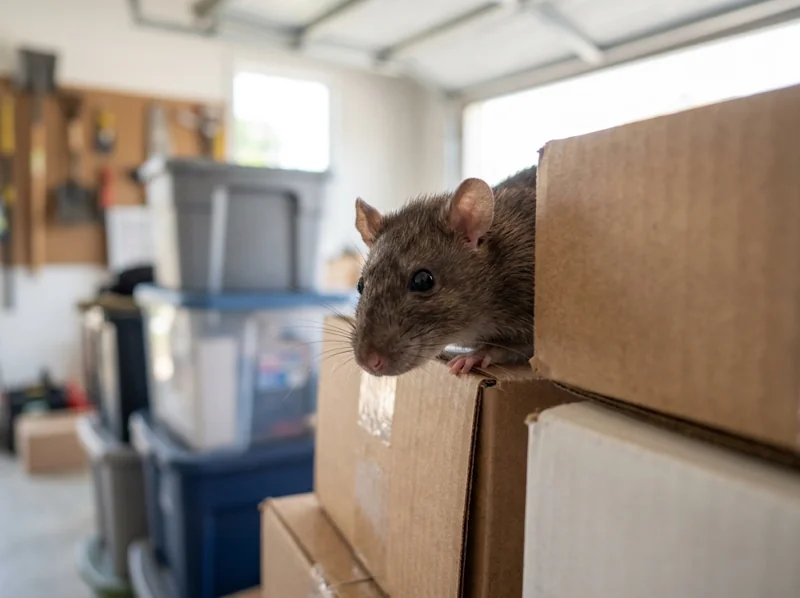
It usually starts after the house goes quiet. You turn off the TV, and somewhere above the ceiling you hear quick scratching, a soft thump, then running. In Miami, that sound very often belongs to roof rats. These agile climbers love our palm trees, dense hedges and warm attics, and once they find a way inside, they can settle in for the long haul.
This guide explains how to recognize them, what the common signs look like, where they rest during the day, and when it makes sense to call a professional. If you are hearing noises overhead this season, you will know what to look for before you climb into the attic.
What These Rats Are and Why Miami Homes Attract Them
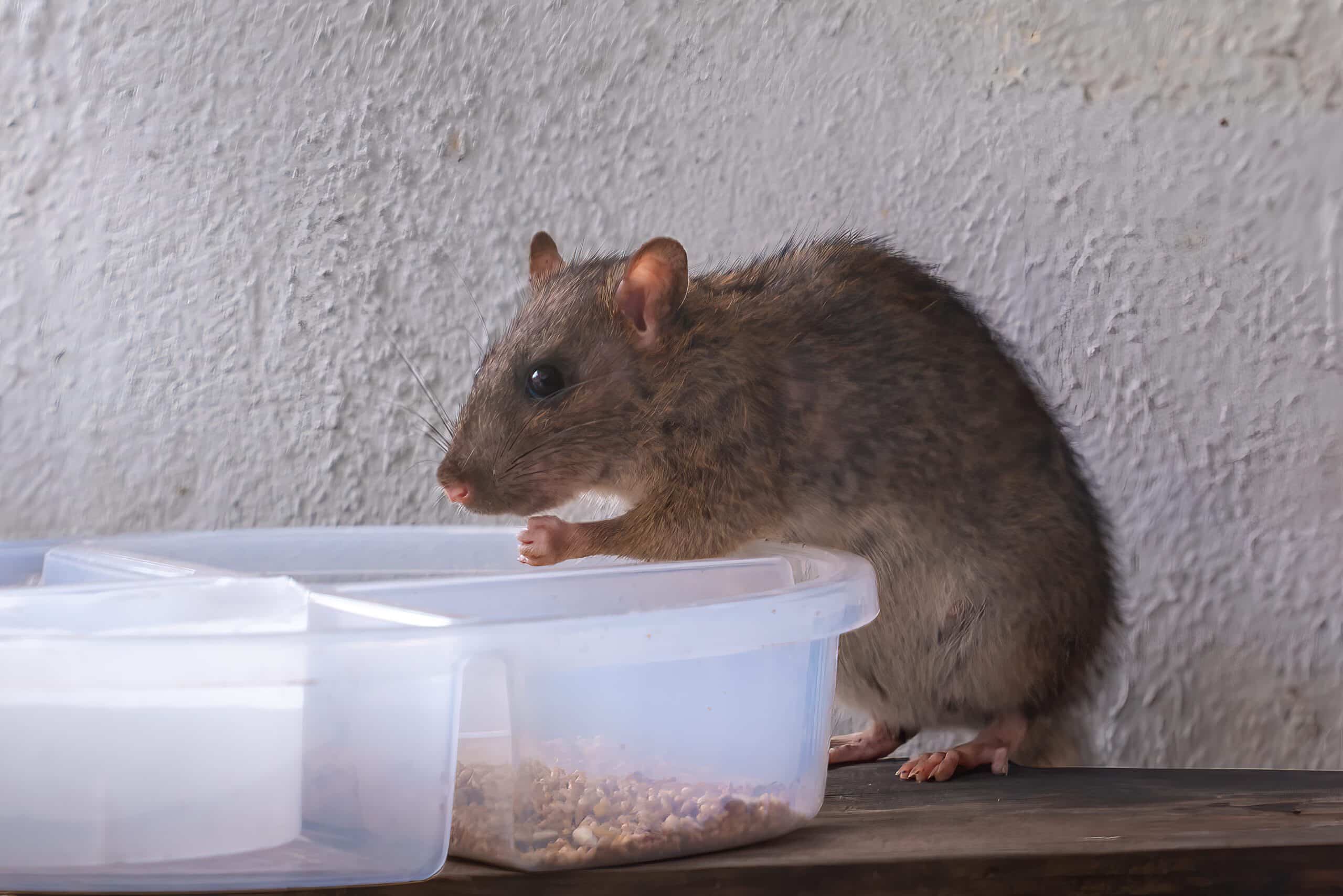
They are slender rats with large ears, a pointed nose and a tail that is longer than their head and body combined. Their fur ranges from black to gray or tan, often with a lighter belly. As the name suggests, they prefer to live up high rather than burrow in the ground.
The University of Florida’s extension service notes that this species favors attics, roof spaces, palm trees and ornamental shrubs, and that they are strong climbers that will scale wires, pipes and rough walls (UF/IFAS Extension, Rat and Mouse Control). That describes a lot of Miami-Dade properties, from older homes in Coral Gables shaded by mature trees to newer homes in Doral and Kendall with palms planted close to the roofline.
Our warm, humid climate also means rodents stay active year-round. There is no hard winter to slow them down, so a small problem in November can grow into a bigger one by spring.
Signs and Sounds of Roof Rats in Your Attic
These rats spend most of their time out of sight, so you usually notice what they leave behind before you ever see one. Here are the signs we look for during an inspection:
- Night noises: scratching, scurrying, gnawing or thumping in the ceiling or walls, usually after dark when rats are most active.
- Droppings: dark, spindle-shaped pellets, up to about half an inch long, often found in the attic, along rafters, in the garage or near stored food.
- Gnaw marks: fresh chewing on wood, wiring, stored boxes or food packaging. New gnawing tends to look light in color with rough edges.
- Rub marks: greasy, dark smudges where rats repeatedly brush against beams, pipes or openings.
- Nesting material: shredded insulation, paper or fabric bunched in a hidden corner.
- Damaged fruit: half-eaten mangoes, avocados or citrus in the yard, especially fruit that has been hollowed out while still on the tree.
One sign on its own does not always mean an infestation, but two or three together usually do. If you find droppings in the attic and hear movement at night, it is time to take a closer look.
Runways: How Rats Travel Around Your Property
Rats are creatures of habit. They follow the same routes again and again, and those routes are called runways. Outdoors, look along the tops of fences, utility lines, tree branches touching the roof, and palm fronds hanging over the eaves. These give rats a highway from the yard to the roof without ever touching the ground.
Indoors, runways often follow the edges of walls, rafters and pipes. You may notice a clean path through dust, rub marks on beams or droppings clustered along one line.
Once on the roof, rats look for a way in. Gaps around roof vents, soffits, utility and plumbing penetrations, and damaged areas near the roofline are common access points. Our post on how rats get into Miami homes goes deeper into sealing those openings.
Where Rats Hide During the Day
Because they are mostly active at night, rats spend their days resting in protected spots close to food and water. Common daytime hiding places around Miami homes include:
- Attic corners, especially under insulation or near the eaves
- The inside of walls and the space above drop ceilings
- Garages and storage rooms with boxes and clutter
- Dense palm crowns, thick hedges and climbing vines
- Woodpiles, sheds and stacked materials in the yard
Seeing a rat out in daylight can be a sign that something has changed. Extension research notes that rats may be active during the day when food is scarce or when a population becomes crowded. In other words, a daytime sighting can point to more rats than you think.
When to Call a Rat Exterminator
Some homeowners try a few store-bought traps first. That can catch a rat or two, but it rarely tells you where the rats are coming from or how many are living in the attic. Rats can keep returning through the same openings, and baits placed in the wrong spot can create risks for children, pets and wildlife.
It is a good time to call a rat exterminator when you notice any of the following:
- Noises in the ceiling for more than a few nights in a row
- Droppings in the attic, kitchen or pantry
- Chewed wiring, insulation or stored items
- Activity spreading into more rooms
- Rats seen during the day
At iPest Control Inc., we start with an inspection. Our technician checks attics and roof areas, garages, kitchens, pantries, utility and plumbing openings, exterior vents and landscaping close to the house, looking for droppings, gnaw marks, nesting materials and travel paths. We then explain what we found and recommend a plan based on the activity and the layout of your property. Traps and other control methods are placed where activity has been identified, not scattered at random, and we point out the food sources, clutter and openings that may be helping rats use your home. When follow-up visits are needed, we monitor and adjust the plan.
You will know what the recommended service costs before we move forward, so there are no surprises.
Frequently Asked Questions
How do you know if you have roof rats?
The most common clues are scratching or running sounds in the ceiling at night, spindle-shaped droppings in the attic or garage, fresh gnaw marks, greasy rub marks on beams and partly eaten fruit in the yard. Several of these signs together usually point to an active problem.
Where do roof rats go during the day?
They rest in sheltered, elevated spots such as attic corners, wall voids, the space above ceilings, garages, dense palm crowns, thick hedges and vines. They come out to feed mostly at night.
Are rats more active in winter in Miami?
Miami’s mild weather keeps rodents active all year. Many homeowners notice them more in the cooler months simply because the house is quieter and the windows are closed, which makes attic noises easier to hear.
Will rats leave on their own?
It is unlikely. As long as they have shelter, food and a way in, rats tend to stay and breed. Removing them and closing the access points they use is what keeps them from coming back.
Hearing Something Overhead? Let Us Take a Look
If you have been lying awake listening to the ceiling, you do not have to guess what is up there. iPest Control Inc. is based in Doral and serves homes and businesses across Miami-Dade and Broward County, with same-day response available. As a licensed and insured exterminator Miami families call for rodent problems, we focus on finding the activity, the likely entry points and the conditions that keep rats coming back.
Learn more about our rat and mouse removal service, book a free inspection, or call (305) 416-8744 and tell us what you have been hearing. Our pest control Miami team will check the attic and roofline and explain the next step.