
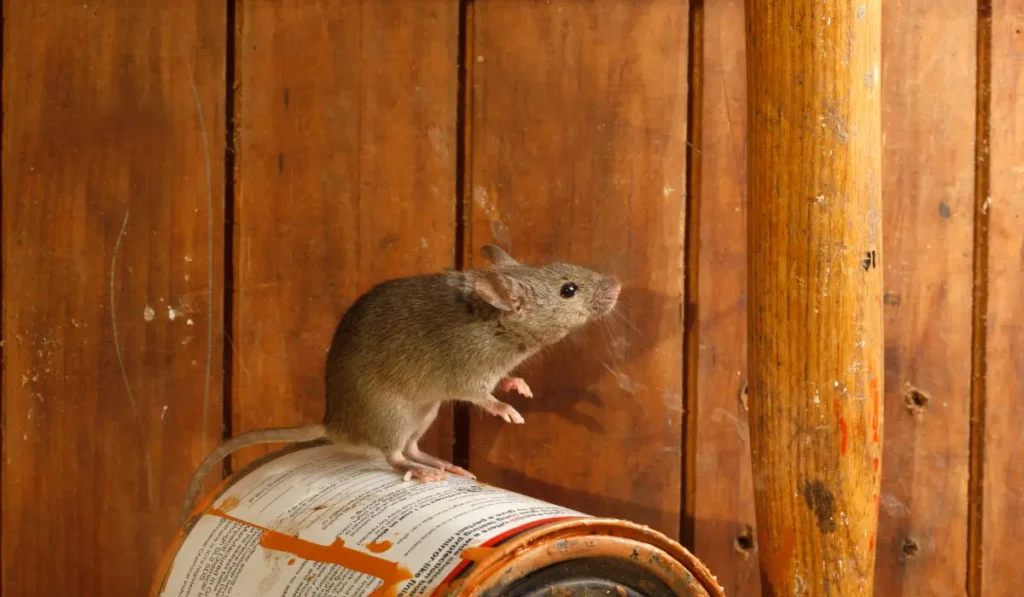
Most homeowners do not realise they have a rodent problem when it starts.
They notice it when it escalates. Scratching sounds at night. Droppings behind the stove. A chewed pantry bag. A strange smell in the garage. Or wiring that suddenly stops working because something gnawed through it.
If you are looking into rodent control in Miami, FL, the most important thing to understand is this: rodents rarely enter through one obvious hole. They get in through small, overlooked gaps that stay open long enough to become a routine pathway.
This guide covers the hidden entry points homeowners often miss, why Miami homes are especially vulnerable, and what to check so the problem does not keep coming back.
Why rodents get into Miami homes so easily
South Florida creates year-round rodent pressure. There is no “off season.”
Rodent activity increases when:
- Heavy rain pushes rodents to seek shelter fast
- Outdoor food sources are available, including pet food, trash, and fruit trees
- Attic spaces stay warm and quiet
- Garage doors and roofline materials wear down in heat and humidity
This is why effective Miami rodent control is not just about trapping. It is about identifying how they are getting in and cutting off that access.
How small openings become real entry points
Rodents are built to squeeze into tight spaces. A gap around a pipe, a garage door corner that does not seal, or a roofline seam that looks harmless can be all it takes.
If you can fit a fingertip into an opening around a utility line or door edge, it is worth checking. Rodents only need one reliable route, and once they find it, they tend to reuse it.
Hidden entry points homeowners often miss
Roofline gaps, soffits, and fascia damage
Rooflines take constant weather exposure in Miami. Over time, small weak spots develop where rodents can push their way in.
Common access points include:
- Loose soffit panels
- Gaps where fascia meets the roof edge
- Corner seams that separated over time
- Small openings created by previous animals or repairs
Once rodents reach the roofline, the attic becomes an easy target.
Attic vents and roof vents without proper barriers
Vents are necessary, but damaged screens or poorly protected openings are a common way rodents get inside.
Look for:
- Torn or rusted vent screens
- Cracked plastic vents
- Gable vents with wide openings
- Roof vents with gaps around the edges
A lot of calls for rodent pest control in Miami start with attic noise because rodents can stay hidden up there before you see signs downstairs.
Plumbing penetrations under sinks and behind cabinets
Under-sink areas are one of the most overlooked entry routes because cabinets hide the gaps.
Check:
- Openings around drain pipes
- Gaps around water supply lines
- Holes behind the dishwasher connection
- Access gaps behind the washer and dryer hookups
Even a small opening can lead into the wall cavity, which gives rodents a protected travel path.
AC line penetrations and HVAC access points
Miami homes rely heavily on air conditioning, and AC setups create multiple entry opportunities.
Common problem areas include:
- Line sets entering through the exterior wall
- Gaps around condensate drain lines
- Openings where ducting passes through attic spaces
- Access panels that do not seal tightly
These areas often look “sealed enough,” but rodents only need a small weakness.
Garage doors that do not fully seal
Garages are one of the most common starting points for rodent activity.
Check:
- Bottom seals that are cracked or hardened
- Side gaps where the door meets the frame
- Top corner gaps when the door is closed
- Side doors into the garage with worn weather stripping
Rodents often enter the garage first, then move into the attic or wall cavities.
Exterior utility entry points
Rodents often follow lines like a roadway system.
Inspect:
- Cable and internet line entry points
- Electrical conduit penetrations
- Outdoor lighting wiring holes
- Irrigation control line access areas
Installers often leave wider openings than necessary, and those gaps can become entry routes.
Weep holes and wall gaps near landscaping
Some drainage openings are necessary, but they can still be exploited if conditions make access easy.
Risk increases when:
- Dense landscaping hides wall openings
- Mulch or debris builds up near the home
- Fences or stored items provide climbing access
Trees and vines that create roof access
Sometimes the entry point is not a hole. It is a bridge.
Rodents can climb:
- Branches that touch the roof
- Vines that run up walls
- Fences that lead directly to roof edges
If rodents can reach your roofline, they will look for the weakest seam.
This is a major reason rodent control Miami-Dade County service often includes exterior inspection, not just interior trapping.
Why trapping alone often leads to repeat infestations
Traps can reduce activity, but they do not stop the cycle if access points remain open.
When entry points stay open:
- New rodents replace the ones removed
- Activity returns after heavy rain or construction nearby
- Infestations shift from garage to attic to walls
- Homeowners feel like the problem never fully ends
That is why lasting Miami rodent control focuses on inspection, exclusion, and follow-up, not just removal.
What to do if you suspect rodents are entering your home
If you are hearing scratching, seeing droppings, or noticing gnaw marks, start with steps that reduce repeat activity:
- Check garage door seals and corner gaps
- Inspect under-sink pipe openings
- Look for damaged attic vent screening from outside
- Secure trash and keep outdoor pet food sealed
- Trim branches away from the roofline
- Reduce clutter in the garage and storage zones
If you want the problem solved long-term, the key step is identifying and sealing the entry points rodents are using.
Get rodent control in Miami, FL that targets entry points, not just symptoms
Rodents do not enter through one obvious hole. They enter through overlooked gaps around rooflines, vents, garages, and utility penetrations. Once the route becomes routine, the problem keeps returning until the access is shut down.
If you need rodent control in Miami, FL, iPest Control Inc can inspect your home, identify the hidden entry points, and build a plan that focuses on exclusion and long-term prevention, not just short-term trapping. If you are in Miami-Dade and dealing with repeat activity, our rodent pest control in Miami service is designed to stop the cycle and keep your home protected.
FAQs: Rodent Entry Points in Miami Homes
How do rodents get into homes in Miami?
They commonly enter through roofline gaps, soffits, attic vents, garage door gaps, plumbing openings under sinks, and utility line penetrations.
What is the most common entry point for rodents?
Attic and roofline access points are extremely common, especially soffit gaps and vents without proper screening.
Can rodents enter through plumbing openings?
Yes. Gaps around drain pipes and supply lines under sinks are common pathways into cabinets and wall cavities.
Why do rodents keep coming back after trapping?
Because trapping reduces activity but does not stop access. If entry points stay open, new rodents can enter and repeat the cycle.
Do garage doors really let rodents in?
Yes. Worn bottom seals, side gaps, and corner gaps are common entry routes, especially in older garages.
Should I trim trees away from my roof?
Yes. Branches and vines can act like bridges to the roofline, increasing the chance rodents reach attic entry points.
When should I call rodent pest control in Miami?
If you hear scratching at night, find droppings, see gnaw marks, or notice recurring activity, a professional inspection helps identify entry points and stop the cycle.
Do you serve rodent control Miami-Dade County areas?
Yes. iPest Control Inc provides Miami rodent control and service throughout Miami-Dade County, with inspection and exclusion-focused solutions.