
If you have Pest Control in Miami Beach, there’s a point where concern starts to creep in, even if nothing looks serious yet. A scratch that shows up more often than it used to. Your dog hesitating before lying down outside. Your cat grooming the same spot a little too much. Small changes that are easy to rationalize away.
What makes it difficult is that nothing feels urgent enough to act on. There’s no clear trigger. No obvious cause. Just a growing sense that something isn’t quite right, paired with the assumption that if it were serious, you’d already know.
This is exactly the stage where most pet owners either catch a problem early or spend the next few months reacting to symptoms without understanding what’s driving them.
Reading this helps you recognize which side of that line you’re on, before your pet pays the price for waiting.
Why Fleas and Mosquitoes Are a Bigger Problem for Pets in Miami Beach
Fleas and mosquitoes behave differently in Miami Beach than they do in cooler or drier regions. Here, they are not occasional seasonal irritants. They are environmental residents. The climate allows them to survive, reproduce, and spread with very little interruption, which means pets are exposed far more often and for much longer periods of time.
What makes this difficult for pet owners is that the risk isn’t tied to one moment or one missed treatment. It’s tied to ongoing environmental pressure that never fully lets up.
Several conditions in Miami Beach work together to make flea and mosquito exposure a constant issue for pets.
- Consistent warmth that removes natural population die-off: In many areas, colder months slow flea breeding and reduce mosquito activity. Miami Beach does not offer that reset. Warm temperatures allow flea life cycles to continue uninterrupted, which means eggs, larvae, and adults can all exist at the same time. For pets, this translates to repeated exposure rather than isolated encounters.
- High humidity that supports flea survival in soil and grass: Flea larvae require moisture to survive. Miami Beach’s humidity keeps soil, shaded grass, and landscaped areas damp enough for flea populations to thrive. Even yards that appear dry on the surface often retain enough moisture underneath to support breeding, especially in areas where pets rest or walk regularly.
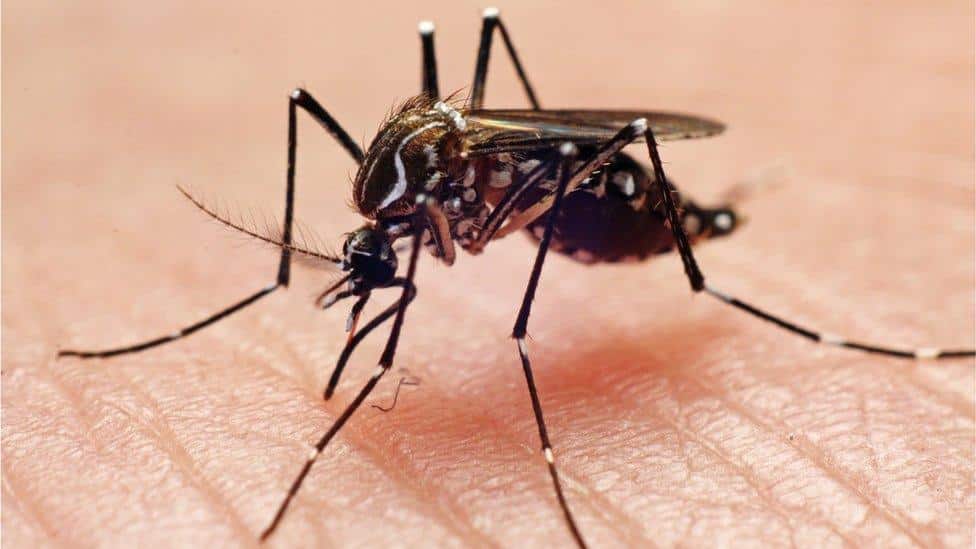
- Frequent rainfall that fuels mosquito breeding cycles: Mosquitoes rely on standing water to reproduce. In Miami Beach, rain creates countless temporary breeding sites that are easy to overlook. Water collects in planters, drains, uneven ground, and shaded corners of the yard. These sites can produce new mosquitoes in a matter of days, increasing the likelihood of repeated mosquito bites pets experience.
- Dense vegetation and shaded areas that protect pests: Landscaping common in Miami Beach provides shelter from heat and wind, creating ideal resting and hiding places for mosquitoes and fleas. Pets moving through these areas pick up exposure even during short outdoor trips, making bites and infestations difficult to prevent through animal treatment alone.
Because these conditions exist almost year-round, pets in Miami Beach are not dealing with a temporary pest season. They are navigating an environment that constantly supports flea and mosquito activity. Without consistent environmental management, exposure builds quietly, and symptoms often appear only after pests have already established themselves.
How Fleas Affect Pets Beyond What You Can See
Fleas are often treated as a surface-level problem because the first sign is usually scratching. What’s less obvious is how quickly flea exposure compounds once it starts, especially in environments where fleas are constantly reintroduced from outside.
For pets in Miami Beach, flea exposure rarely comes from a single source. It builds through repeated contact with infested areas, other animals, and environments that support flea life cycles.
Fleas affect pets in several escalating ways.
- Skin irritation that worsens with repeated exposure: Each flea bite injects saliva into the skin. Over time, repeated bites cause inflammation that doesn’t fully resolve between exposures. Pets may scratch persistently, chew at specific areas, or rub against furniture, which can damage the skin barrier and make irritation more severe.
- Allergic reactions that intensify symptoms: Many pets develop flea allergy dermatitis, a condition where even a small number of bites causes an outsized reaction. In these cases, one or two fleas can trigger intense itching, redness, hair loss, and open sores. The issue isn’t the number of fleas, but the repeated exposure.
- Secondary infections from broken skin: When pets scratch or bite irritated areas, they create openings that bacteria can enter. These infections may not appear immediately, but they often develop over time as wounds fail to heal due to ongoing flea activity. Treatment then becomes more complex than simple flea removal.
- Ongoing exposure despite treating the pet directly: Even when pets are treated with flea preventatives, exposure can continue if fleas remain active in the surrounding environment. Pets may not carry visible fleas, but bites still occur during contact with infested grass, shaded soil, or common outdoor areas.
This is why effective flea control in Miami Beach cannot rely solely on treating the animal. Without addressing where fleas live and breed, pets remain exposed, and symptoms often cycle instead of resolving.
Why Mosquito Bites Create Ongoing Stress for Pets
Mosquitoes are often underestimated when it comes to pet health because their presence feels temporary. A few bites. A short burst of activity at dusk. Something that seems unavoidable. In Miami Beach, mosquito pressure is rarely temporary.
Mosquito exposure affects pets differently than people, both physically and behaviorally.
- Repeated bites cause discomfort that pets cannot escape: Pets don’t understand why they’re uncomfortable. When mosquitoes are active around yards, patios, or walking routes, pets are repeatedly bitten during routine activities. This leads to restlessness, pacing, disrupted sleep, and behavioral changes that owners may misinterpret.
- Sensitive areas are commonly targeted: Mosquitoes often bite areas with thinner fur such as ears, noses, bellies, and legs. These areas are more sensitive and more prone to swelling or irritation. Pets may scratch or lick these areas excessively, increasing the chance of irritation or infection.
- Health risks increase with ongoing exposure: In regions like Miami Beach, mosquitoes are known carriers of parasites that affect pets. Repeated exposure raises risk levels, especially for pets that spend time outdoors daily. This is why mosquito bites pets experience should be taken seriously rather than treated as an occasional nuisance.
- Outdoor spaces become avoidance zones: Over time, pets may begin avoiding certain areas of the yard or appear anxious during outdoor time. This reduces exercise, disrupts routines, and affects overall quality of life, even if the issue appears minor on the surface.
Managing mosquito exposure requires more than short-term relief. It requires reducing the conditions that allow mosquitoes to thrive near where pets live and play.
Why Treating Pets Alone Doesn’t Break the Pest Cycle
Many pet owners assume that applying flea or mosquito prevention directly to their animals solves the problem. While these treatments are important, they don’t address how pests repeatedly re-enter a pet’s environment.
In Miami Beach, environmental exposure plays a larger role than many people realize.
- Fleas live and reproduce off the pet: Adult fleas may feed on pets, but eggs and larvae live in grass, soil, shaded landscaping, and outdoor resting areas. Treating the pet removes fleas temporarily, but new fleas attach during the next outdoor exposure if the environment remains active.
- Mosquitoes breed independently of pets: Mosquito populations are tied to water and shelter, not animals. Even if pets are protected, mosquitoes continue breeding nearby and biting whenever pets enter affected areas.
- Outdoor activity reintroduces exposure daily: Walks, yard time, bathroom breaks, and play sessions all reintroduce pets to the same pest pressures. Without environmental control, protection becomes temporary rather than preventive.
This is why long-term pet pest protection in Miami Beach requires managing the surroundings pets move through, not just what’s applied to their bodies.
How Outdoor Areas Quietly Increase Pest Exposure
Yards and outdoor spaces often look well-kept while still supporting pest activity. The issue isn’t neglect. It’s how certain features naturally hold moisture, shade, and shelter.
Several outdoor conditions commonly contribute to flea and mosquito exposure.
- Shaded grass and soil where moisture lingers: Even when lawns appear dry, shaded areas retain moisture beneath the surface. Fleas rely on these damp environments to survive and develop, especially in areas pets frequent.
- Standing water that goes unnoticed: Water collects in planters, drains, uneven concrete, gutters, and decorative features. These small pockets are enough to support mosquito breeding, often without homeowners realizing they exist.
- Dense landscaping that limits airflow: Bushes, hedges, and ground cover provide shelter for pests, allowing them to rest during the day and remain active longer. Pets brushing against vegetation increase contact with fleas and mosquitoes.
- Pet resting areas that become hotspots: Areas where pets lie down outdoors often accumulate fur, dander, and warmth, creating micro-environments that attract pests over time.
These factors don’t cause immediate infestations. They create steady exposure that builds quietly, which is why problems often feel confusing or unpredictable to pet owners.
What Effective Pet Pest Protection Actually Involves
Protecting pets from fleas and mosquitoes isn’t about choosing one solution. It’s about coordinating multiple layers of prevention so exposure is reduced from every angle.
Effective pet pest protection typically involves:
- Environmental management around the home: Reducing flea habitats and mosquito breeding areas limits how often pets come into contact with pests. This includes addressing moisture, shaded areas, and standing water.
- Targeted outdoor pest control treatments: Treating the areas where pests live and reproduce interrupts their life cycles. This reduces overall population pressure instead of relying on pet treatments alone.
- Support for veterinary prevention plans: Environmental control works alongside veterinary care. When pets are protected internally and externally, exposure drops significantly.
- Consistency throughout the year: Because Miami Beach does not have a true off-season, protection must be maintained even when activity appears low.
When these elements work together, pets experience fewer bites, less irritation, and more comfortable outdoor time.
How Reducing Environmental Pest Pressure Improves Pet Comfort
When pest activity around the home decreases, the difference in pet behavior is often noticeable before owners connect it to pest control.
Reduced exposure leads to:
- Less scratching and skin irritation
- Fewer bite reactions and swelling
- Improved sleep and calmer behavior
- More willingness to use outdoor spaces
Pets don’t need to be visibly infested to be affected. Lowering the overall pest presence around the home improves comfort even when problems were previously subtle.
This is why controlling the environment pets live in is just as important as treating the animals themselves.
Protecting Pets Starts With Managing Their Environment
Pets move through the same spaces every day. Yards. Walkways. Shaded corners. Resting areas. In Miami Beach, those spaces naturally support flea and mosquito activity unless they’re actively managed.
At iPest Control Inc., we focus on reducing pest pressure where pets are exposed most often. Our Pest Control Miami Beach services are designed to support pet households by addressing flea and mosquito activity at the source, not just after symptoms appear.
If your pet is scratching, reacting to bites, or avoiding outdoor areas, contact iPest Control Inc. to schedule a pest control assessment focused on pet safety and long-term prevention. Reducing exposure before it escalates is what keeps pets comfortable year-round.
Frequently Asked Questions About Protecting Pets from Fleas and Mosquitoes in Miami Beach
Why are flea and mosquito problems harder to control in Miami Beach?
Miami Beach’s climate creates constant pressure from fleas and mosquitoes. Warm temperatures, humidity, and frequent rain allow these pests to remain active year-round instead of cycling down seasonally. This means pets are exposed continuously, not just during short “pest seasons.” Effective Pest Control Miami Beach strategies must account for this ongoing environmental activity rather than relying on occasional treatments.
Can indoor pets still be affected by fleas and mosquitoes?
Yes. Fleas and mosquitoes don’t require pets to live outdoors. Fleas can enter homes on shoes, clothing, or other animals, while mosquitoes easily enter through doors, balconies, and windows. Pets that spend even brief moments outside or near entry points can still experience exposure, which is why pet pest protection often needs to include both indoor and outdoor considerations.
Why does my pet keep scratching even after using flea treatments?
Flea treatments on pets address the insects feeding on the animal, but they don’t eliminate fleas living in the surrounding environment. Flea eggs and larvae commonly exist in grass, soil, shaded landscaping, and outdoor resting areas. Without proper flea control around the home, pets can be re-exposed repeatedly, leading to recurring symptoms despite treatment.
Are mosquito bites really a concern for pets?
Yes. Mosquito bites pets experience can cause more than irritation. Repeated bites may lead to swelling, allergic reactions, and increased stress, particularly in sensitive animals. In South Florida, mosquitoes are also known carriers of parasites that affect pets, making consistent prevention especially important in Miami Beach.
How do outdoor areas contribute to flea and mosquito exposure?
Outdoor spaces often support pest activity without obvious signs. Moist soil, shaded grass, standing water, and dense landscaping create ideal conditions for fleas and mosquitoes to breed and rest. Pets moving through these areas can be exposed repeatedly, even if the yard appears clean and well-maintained.
Is yard treatment necessary if my pet already receives veterinary prevention?
Veterinary preventatives are important, but they work best when combined with environmental control. Treating the pet without addressing flea and mosquito populations around the home allows exposure to continue. Comprehensive pet pest protection reduces the overall number of pests pets encounter, making preventive treatments more effective.
How often should pest control be done in pet households in Miami Beach?
Because pest pressure remains steady throughout the year, one-time treatments are rarely enough. Regular Pest Control Miami Beach services help manage flea and mosquito populations before they rebuild. Consistency is key to preventing recurring exposure and keeping pets comfortable long-term.
What signs suggest my home needs environmental pest control for pets?
Common indicators include persistent scratching, recurring flea issues, visible mosquito activity near the home, or pets avoiding certain outdoor areas. These signs often appear before a full infestation develops, making early environmental control especially valuable.
Who can help with flea and mosquito control for pet households in Miami Beach?
iPest Control Inc. provides Pest Control Miami Beach services that focus on reducing flea and mosquito activity in the environments pets are exposed to every day. Their approach supports pet health by managing pest populations around the home rather than relying on reactionary treatments alone.